
New Zealand
Pipelines Cleaning: Essential Maintenance for Efficient Flow

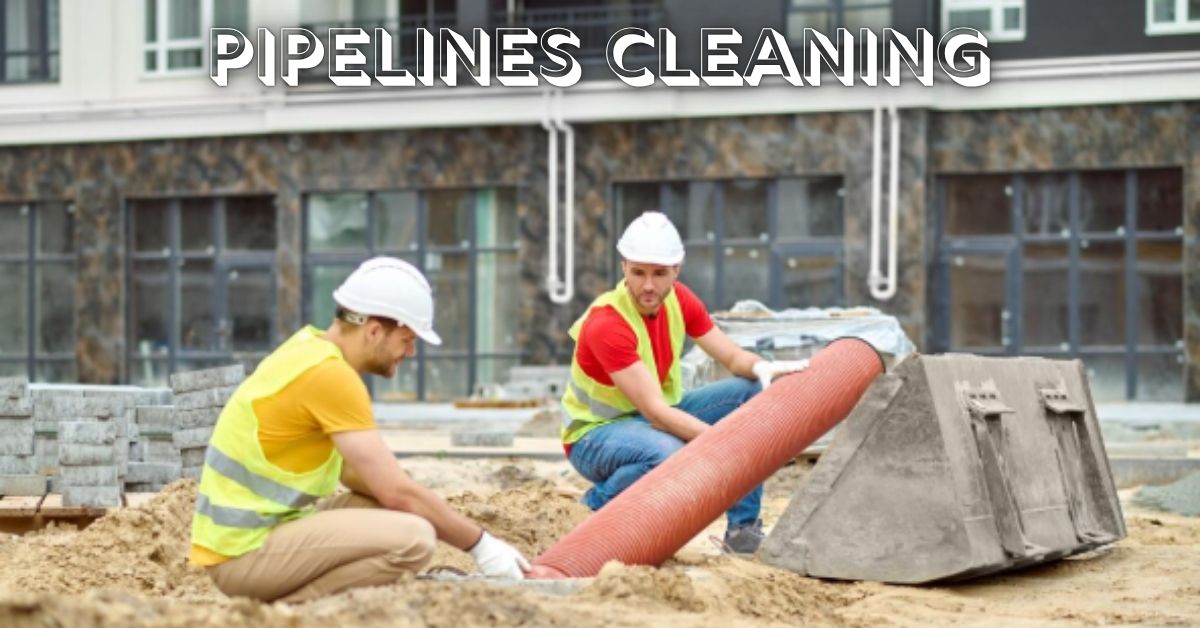
Modern industries, municipalities, and utility providers depend heavily on reliable pipeline systems to transport water, oil, gas, chemicals, and wastewater. Over time, these systems accumulate deposits, corrosion products, sludge, scale, and other contaminants that can restrict flow and reduce operational efficiency. Pipelines cleaning plays a critical role in maintaining system performance, preventing costly breakdowns, and ensuring long-term reliability. Whether in industrial facilities or public infrastructure, regular maintenance helps extend pipeline lifespan, improve safety, and reduce operating expenses. Understanding the importance of proper cleaning methods can help organizations make informed decisions about pipeline management and maintenance strategies.
Understanding the Importance of Pipelines Cleaning
Pipeline networks serve as the backbone of countless industries and public services, carrying essential materials across vast distances. As these systems operate continuously, various substances naturally accumulate along the inner walls of pipes. Mineral deposits, sediment, biological growth, rust, wax, and other contaminants gradually reduce the internal diameter of pipelines, limiting flow capacity and increasing pressure requirements. Without proper maintenance, these issues can lead to reduced productivity, increased energy consumption, and eventual system failure.
Regular cleaning activities help maintain optimal flow conditions while preventing operational disruptions. Clean pipelines allow fluids to move efficiently, reducing strain on pumps and equipment throughout the network. This efficiency translates into lower energy costs and improved overall system performance. Organizations that invest in proactive maintenance often experience fewer emergency repairs and longer equipment lifespans compared to those that neglect cleaning schedules.
Safety is another crucial reason for maintaining clean pipelines. Accumulated deposits can create pressure imbalances, corrosion hotspots, and blockages that increase the risk of leaks or ruptures. In industries handling hazardous materials, such incidents can result in significant environmental damage and regulatory penalties. Consistent maintenance programs help identify potential issues early and reduce the likelihood of unexpected failures.
Furthermore, clean systems contribute to product quality and operational consistency. In industries such as food processing, pharmaceuticals, and water treatment, contamination from dirty pipelines can compromise product integrity and customer satisfaction. By implementing effective maintenance procedures, organizations can ensure compliance with quality standards while protecting their reputation and operational reliability.
Common Causes of Pipeline Contamination and Blockages
Pipeline contamination occurs through a variety of natural and operational processes that develop over time. One of the most common causes is sediment accumulation. Particles suspended in transported fluids eventually settle within the pipeline, especially in areas with slower flow rates. These deposits gradually build up and create restrictions that hinder efficient transportation.
Corrosion also contributes significantly to pipeline degradation. Metal pipes exposed to moisture, chemicals, and varying temperatures can develop rust and corrosion products that accumulate within the system. These materials not only reduce flow capacity but can also weaken pipe walls, increasing the risk of structural failure. Corrosion management is therefore an essential aspect of long-term infrastructure maintenance.
Biological growth presents another challenge in many systems. Bacteria, algae, and biofilms can develop inside pipelines carrying water or other suitable fluids. These organisms form layers on pipe surfaces that trap additional debris and create significant flow restrictions. Biofilm formation is particularly problematic because it can affect water quality and promote further corrosion.
Industrial pipelines often face contamination from process-related materials such as wax, paraffin, sludge, and chemical residues. These substances can adhere to pipe walls and gradually thicken over time. Temperature changes and operational variations may accelerate the accumulation process, making regular maintenance increasingly important. Understanding the specific contaminants affecting a system helps maintenance teams select the most appropriate cleaning techniques.
External factors can also contribute to blockages and contamination. Construction activities, environmental conditions, and accidental introduction of foreign objects may impact pipeline performance. Comprehensive inspection programs help identify these issues before they become major operational concerns, ensuring continued reliability and efficiency throughout the network.
Methods and Technologies Used in Pipelines Cleaning
The field of pipeline maintenance has evolved significantly with the development of advanced cleaning technologies and specialized equipment. Mechanical cleaning remains one of the most widely used approaches, involving devices that physically remove deposits from pipe walls. These tools travel through the pipeline while scraping, brushing, or dislodging accumulated materials. Mechanical methods are particularly effective for removing hard deposits and restoring flow capacity.
Pigging technology represents one of the most common mechanical cleaning techniques. Specialized devices known as pigs are inserted into pipelines and propelled by fluid pressure. As they move through the system, they remove debris, inspect pipe conditions, and separate different products within the line. Modern pigs are equipped with advanced sensors capable of collecting detailed information about pipeline integrity and performance.
Chemical cleaning offers another effective solution for addressing specific types of contamination. Specialized cleaning agents dissolve mineral scale, rust, organic deposits, and other materials that may be difficult to remove mechanically. Careful selection of chemical formulations ensures compatibility with pipeline materials while maximizing cleaning effectiveness. This approach is particularly useful in complex systems where mechanical access may be limited.
Hydro jetting utilizes high-pressure water streams to remove stubborn deposits and restore pipeline functionality. The intense water pressure effectively breaks apart accumulated debris while flushing contaminants from the system. This method is widely used in municipal, industrial, and commercial applications due to its versatility and environmental friendliness. Hydro jetting can address a wide range of blockage types without introducing harsh chemicals into the environment.
Emerging technologies continue to improve maintenance capabilities. Robotic inspection systems, smart sensors, and automated cleaning equipment provide enhanced accuracy and efficiency. These innovations enable maintenance teams to monitor pipeline conditions in real time and perform targeted interventions before significant problems develop. As technology advances, cleaning operations are becoming more precise, cost-effective, and environmentally responsible.
Benefits of Regular Pipelines Cleaning for System Performance
Organizations that prioritize routine maintenance often experience substantial operational benefits across multiple areas of performance. One of the most significant advantages is improved flow efficiency. Clean pipelines allow fluids to move with minimal resistance, reducing pressure losses and enabling systems to operate closer to their designed capacity. This enhanced performance can increase productivity while lowering energy consumption.
Reduced operational costs are another major benefit. When pipelines become restricted by deposits and blockages, pumps and compressors must work harder to maintain desired flow rates. This increased workload results in higher energy usage and accelerated equipment wear. By maintaining clean systems, organizations can minimize these inefficiencies and reduce long-term operating expenses.
Reliability also improves significantly through regular maintenance activities. Unexpected failures and emergency shutdowns often result from neglected pipeline conditions. Scheduled cleaning programs help identify developing issues before they escalate into serious problems. This proactive approach reduces downtime, enhances productivity, and improves overall operational stability.
Environmental protection represents an increasingly important consideration. Clean and well-maintained pipelines are less likely to experience leaks, spills, or ruptures that could harm surrounding ecosystems. Organizations that invest in preventive maintenance demonstrate environmental responsibility while reducing the risk of costly cleanup efforts and regulatory violations. These practices contribute to sustainable operations and improved public trust.
Customer satisfaction and service quality can also benefit from effective maintenance strategies. Whether supplying drinking water, industrial products, or energy resources, reliable pipeline performance supports consistent service delivery. Maintaining optimal system conditions helps organizations meet customer expectations while preserving their competitive advantage in increasingly demanding markets.
Safety and Environmental Considerations in Pipeline Maintenance
Safety remains a primary concern during all pipeline maintenance activities. Cleaning operations often involve specialized equipment, pressurized systems, and potentially hazardous materials that require careful management. Comprehensive safety protocols help protect workers, surrounding communities, and the environment from potential risks associated with maintenance procedures.
Risk assessments play a critical role in planning cleaning projects. Maintenance teams evaluate pipeline conditions, operational requirements, and environmental factors before beginning work. This preparation helps identify potential hazards and establish appropriate mitigation measures. Effective planning reduces the likelihood of accidents while ensuring efficient project execution.
Environmental protection measures are equally important. Cleaning processes can generate waste materials, contaminated fluids, and removed deposits that require proper handling and disposal. Organizations must comply with environmental regulations governing waste management and emissions control. Responsible disposal practices help minimize environmental impact while supporting regulatory compliance.
Worker training and competency development contribute significantly to safe operations. Personnel involved in pipeline maintenance require specialized knowledge regarding equipment operation, hazard recognition, emergency response procedures, and regulatory requirements. Ongoing training programs ensure that maintenance teams remain prepared to perform their duties safely and effectively.
Technological advancements continue to improve safety outcomes across the industry. Remote monitoring systems, automated equipment, and advanced inspection tools reduce the need for personnel exposure to hazardous environments. These innovations enhance operational safety while improving maintenance accuracy and efficiency. As industry standards evolve, organizations increasingly adopt technologies that support both worker protection and environmental stewardship.
Challenges Faced During Large-Scale Pipeline Cleaning Projects
Large-scale maintenance projects often present unique challenges that require careful planning and coordination. One significant difficulty involves maintaining operational continuity while performing cleaning activities. Many pipeline systems provide essential services that cannot be interrupted for extended periods. Maintenance teams must develop strategies that minimize disruptions while achieving cleaning objectives.
Access limitations can complicate cleaning efforts, particularly in extensive pipeline networks spanning remote or densely populated areas. Some sections may be difficult to reach due to geographical obstacles, infrastructure constraints, or environmental considerations. Specialized equipment and logistical planning are often necessary to address these challenges effectively.
The diversity of contaminants encountered within different systems adds another layer of complexity. Various industries transport different materials, resulting in unique deposit compositions and cleaning requirements. Selecting appropriate techniques and equipment requires a thorough understanding of pipeline conditions and contamination characteristics. Incorrect method selection can reduce effectiveness or potentially damage the system.
Budget constraints frequently influence maintenance decisions. Comprehensive cleaning programs require investment in equipment, personnel, inspections, and waste management. Organizations must balance maintenance costs against operational benefits while ensuring long-term system reliability. Effective planning helps maximize return on investment and prioritize critical maintenance activities.
Regulatory compliance represents an additional challenge, particularly for pipelines transporting hazardous materials or operating in environmentally sensitive areas. Maintenance projects must adhere to numerous safety, environmental, and operational regulations. Meeting these requirements demands careful documentation, monitoring, and coordination with regulatory authorities throughout the project lifecycle.
Future Trends and Innovations in Pipelines Cleaning
The future of pipeline maintenance is being shaped by technological innovation and evolving industry requirements. Digital transformation is enabling organizations to monitor pipeline conditions more effectively through advanced sensors, data analytics, and predictive maintenance platforms. These technologies provide real-time insights that support proactive decision-making and optimize maintenance schedules.
Artificial intelligence and machine learning are increasingly being integrated into maintenance strategies. These tools analyze operational data to identify patterns, predict potential failures, and recommend targeted interventions. By leveraging predictive analytics, organizations can address issues before they impact performance, reducing costs and improving reliability.
Robotics continues to play a growing role in inspection and cleaning operations. Advanced robotic systems can navigate complex pipeline networks while performing detailed inspections and maintenance tasks. These technologies reduce human exposure to hazardous environments while enhancing operational precision. Continued advancements are expected to expand their capabilities and applications.
Sustainability considerations are also influencing the development of new cleaning methods. Environmentally friendly cleaning agents, water-efficient technologies, and waste reduction strategies are becoming increasingly important. Organizations are seeking solutions that minimize environmental impact while maintaining high levels of effectiveness and operational efficiency.
The integration of smart infrastructure concepts is expected to further transform pipeline management. Connected systems capable of continuous monitoring, automated diagnostics, and remote operation will provide unprecedented visibility into pipeline conditions. These innovations will help organizations optimize maintenance activities, improve safety outcomes, and extend infrastructure lifespan in the years ahead.
Conclusion
Effective pipelines cleaning is an essential component of infrastructure management that supports efficiency, safety, reliability, and environmental responsibility. From preventing blockages and reducing energy consumption to extending equipment lifespan and improving operational performance, regular maintenance delivers substantial benefits across a wide range of industries. Modern cleaning technologies, including mechanical methods, chemical treatments, hydro jetting, and advanced robotic systems, provide powerful tools for addressing diverse maintenance challenges. As industries continue to embrace digital innovation and sustainable practices, the future of pipeline maintenance will become even more efficient and proactive. Organizations that prioritize pipelines cleaning as part of a comprehensive asset management strategy will be better positioned to achieve long-term operational success while protecting valuable infrastructure investments.

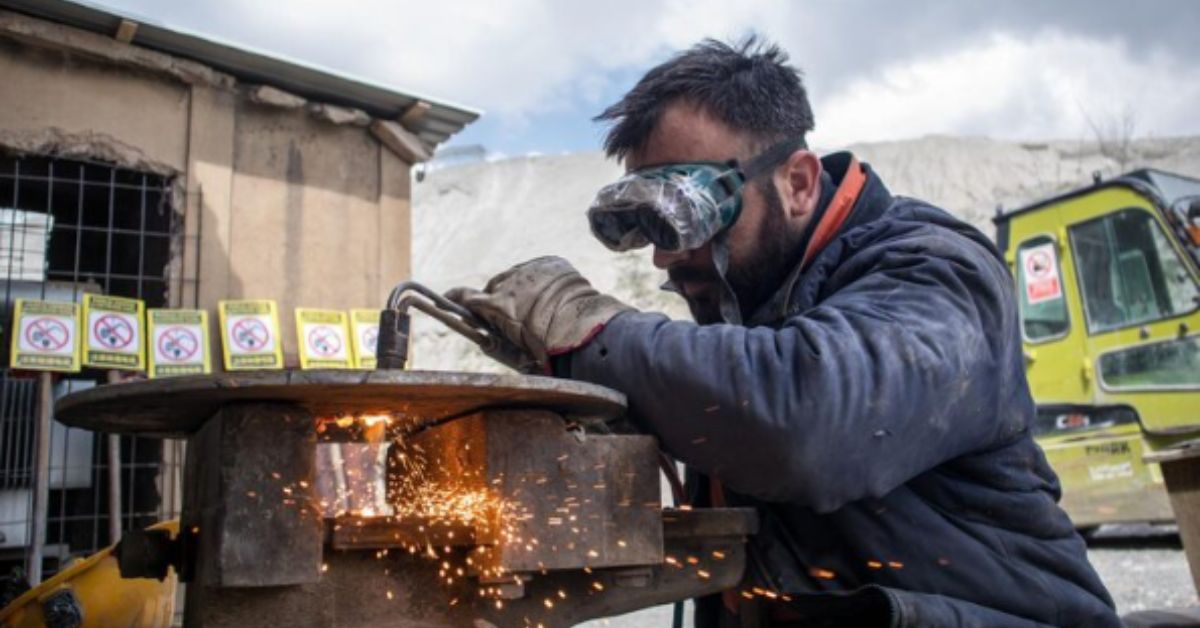
New Zealand continues to attract skilled tradespeople from around the world, and one profession that remains highly sought after is the Boilermaker – Welder In Need New Zealand workforce. With ongoing infrastructure projects, manufacturing expansion, energy developments, and construction growth, employers are actively searching for qualified welding and fabrication specialists. These professionals play a critical role in building, repairing, and maintaining metal structures that support the country’s industrial progress. As labor shortages persist across several sectors, experienced tradespeople are finding excellent opportunities, competitive salaries, and long-term career prospects. Whether you are considering migration or seeking advancement in your trade career, understanding the demand, qualifications, and opportunities available in New Zealand can help you make an informed decision.
Growing Demand for Skilled Metal Fabrication Professionals
The demand for skilled metalworkers has increased significantly across New Zealand due to a combination of economic growth, infrastructure development, and workforce shortages. Large-scale construction projects, transportation upgrades, manufacturing facilities, and energy-related developments require highly trained tradespeople capable of fabricating and assembling metal components with precision. Employers frequently struggle to fill specialized positions because the local labor supply does not always meet industry requirements.
Many companies are actively recruiting experienced fabricators and welding specialists from overseas to bridge the skills gap. This demand extends across both urban and regional areas, creating opportunities for workers willing to relocate. Industries such as shipbuilding, mining support services, heavy engineering, and industrial maintenance regularly require professionals with strong technical expertise. As these sectors continue to expand, skilled tradespeople remain valuable contributors to New Zealand’s economic development and industrial productivity.
Why Boilermaker – Welder In Need New Zealand Continues to Rise
The increasing need for a Boilermaker – Welder In Need New Zealand workforce stems from several important factors. One major reason is the aging workforce, with many experienced tradespeople approaching retirement age. As older workers leave the industry, employers must replace decades of expertise while also meeting growing project demands. This creates a substantial gap that organizations are eager to fill with qualified professionals.
Another contributing factor is New Zealand’s commitment to infrastructure investment. Government-funded projects involving transportation networks, public facilities, water systems, and industrial expansion require extensive fabrication and welding work. Modern engineering projects demand skilled individuals capable of interpreting technical drawings, performing precision welding, and ensuring structural integrity. As construction and manufacturing continue to evolve, the requirement for highly trained personnel remains consistently strong across the country.
Key Skills Employers Look for in Welding and Fabrication Experts
Employers seek candidates who possess both technical abilities and practical experience. Proficiency in MIG, TIG, and arc welding techniques is highly valued, as different projects often require various welding processes. Understanding fabrication methods, blueprint interpretation, metal cutting, grinding, and assembly procedures also plays a crucial role in job performance. Workers who can operate specialized machinery and fabrication equipment gain a competitive advantage during recruitment.
Beyond technical competencies, employers prioritize safety awareness, problem-solving capabilities, and attention to detail. Industrial environments demand strict compliance with workplace safety regulations and quality standards. Candidates who demonstrate reliability, teamwork, and strong communication skills are often preferred because fabrication projects typically involve collaboration among engineers, supervisors, and construction teams. The combination of technical expertise and professional conduct makes skilled tradespeople highly attractive to employers throughout New Zealand.
Industries Creating Employment Opportunities Across New Zealand
Several sectors actively recruit fabrication and welding professionals due to their ongoing operational requirements. Construction remains one of the largest employers, utilizing skilled workers for structural steel fabrication, bridge construction, and commercial building projects. Manufacturing companies also depend on metal fabrication specialists to produce machinery components, industrial equipment, and custom-engineered products that support various industries.
Agricultural equipment manufacturing represents another significant source of employment. New Zealand’s strong agricultural sector requires durable machinery, storage systems, and processing equipment that often involve extensive welding and fabrication work. Additionally, marine industries, renewable energy projects, food processing facilities, and heavy engineering companies consistently seek qualified tradespeople. The diversity of these sectors ensures a wide range of career paths and employment opportunities for skilled professionals across the country.
Training, Certifications, and Professional Development Pathways
Obtaining relevant qualifications significantly improves employment prospects within New Zealand’s industrial sectors. Many employers prefer candidates who have completed recognized apprenticeships, vocational training programs, or trade certifications in welding and fabrication. These credentials demonstrate competency in essential techniques, safety procedures, and industry standards. Practical experience gained through apprenticeships often provides valuable exposure to real-world projects and workplace expectations.
Professional development remains important throughout a tradesperson’s career. Advancements in welding technology, fabrication equipment, and engineering practices require continuous learning. Workers who pursue additional certifications in specialized welding procedures, inspection methods, or advanced fabrication techniques often gain access to higher-paying positions and supervisory roles. Continuous skill enhancement not only improves employability but also increases long-term career stability within competitive industries.
Salary Expectations and Employment Benefits
Compensation for skilled welding and fabrication professionals in New Zealand is generally competitive due to persistent labor shortages. Earnings vary depending on experience, qualifications, location, and industry specialization. Entry-level workers typically begin with respectable wages, while experienced tradespeople with advanced technical skills can command significantly higher salaries. Professionals working on specialized industrial projects often receive premium compensation due to the complexity of their responsibilities.
In addition to attractive salaries, many employers offer various benefits designed to attract and retain skilled workers. These may include overtime opportunities, tool allowances, training support, health and safety incentives, and career advancement programs. Some organizations also provide relocation assistance for workers moving from other regions or countries. The combination of strong earning potential and supportive employment packages makes New Zealand an appealing destination for experienced tradespeople seeking long-term career growth.
Immigration Opportunities for International Tradespeople
New Zealand’s ongoing skills shortages create favorable immigration pathways for qualified welding and fabrication professionals. Skilled migration programs often prioritize occupations experiencing workforce gaps, making experienced tradespeople attractive candidates for employment-based visas. Employers frequently sponsor overseas workers when suitable local candidates cannot be found, providing additional opportunities for international applicants seeking career advancement abroad.
Successful immigration generally requires demonstrating relevant qualifications, professional experience, and competency in the trade. Applicants may need to undergo skills assessments or provide evidence of previous employment in fabrication and welding roles. Those who meet the necessary requirements often discover rewarding career opportunities and the chance to establish long-term residency. New Zealand’s strong demand for skilled labor continues to make it an attractive destination for qualified workers from around the world.
Conclusion
The demand for a Boilermaker – Welder In Need New Zealand workforce remains strong as the country continues investing in infrastructure, manufacturing, engineering, and industrial development. Skilled tradespeople possess valuable expertise that supports critical projects across multiple sectors, making them essential contributors to economic growth. With competitive salaries, diverse employment opportunities, professional development pathways, and favorable immigration prospects, New Zealand offers an attractive environment for qualified welding and fabrication professionals. For individuals seeking a stable and rewarding trade career, the growing need for experienced metalworking specialists presents an excellent opportunity to build a successful future in one of the world’s most dynamic and welcoming economies.
-

 Guides8 months ago
NippyDrive: Fast & Secure Cloud Storage Platform
-
 Crypto1 year ago
Crypto30x.com Gemini: A Deep Dive into the Future of Crypto
-

 Entertainment7 months ago
Mkvmoviespoint: Latest Movies & Web Series Guide
-
 Crypto1 year ago
CrypticStreet.com Guides: Your Ultimate Resource Hub
-
 News1 year ago
Cristian Romero Opens Door to Tottenham Exit as Atletico Madrid Eyes £43 Million Move for Argentina Star
-
 Blog1 year ago
FeedbackMagazines.org/: A Hub for Engaging Content
-
 News1 year ago
Nancy Mace Faces Criticism and Support After Heated Exchange With Trans Activist at South Carolina Event
-

 Apps10 months ago
HydraHD: Everything You Need to Know About the Platform