
Software
OpenFuture World: A Complete Guide for 2025


People often ask what OpenFuture World actually does, how it helps with planning, and whether it’s worth their time. The short answer is that it brings tools, updates, and resources into one place so users can follow trends, track progress, and stay informed without feeling lost. It keeps things simple and clear, which is why many rely on it. If you’re here to figure out if the platform fits your needs, you’re in the right place.
I’ll walk you through everything with plain language and clean explanations. No fluff. No confusing terms. Just straight talk so you can decide with confidence. Think of this guide as someone sitting next to you, pointing at the screen, and saying, “Here’s what matters… and here’s what doesn’t.” That’s the tone I’ll stick to.
Real user queries answered upfront
You might’ve asked yourself questions like:
- “What does the site actually offer?”
- “Can I use it without a learning curve?”
- “Is it useful for long-term planning?”
- “Does it fit small teams or bigger setups?”
- “Is there anything I should know before jumping in?”
What Is OpenFuture World
OpenFuture World is a central hub that helps users track trends, follow updates, and plan with clearer direction. It gathers tools, resources, and insights in one place so users don’t have to jump between multiple sites. Think of it as a tidy desk where everything you need sits within arm’s reach. The platform focuses on structure rather than noise. It keeps things simple so users can get answers fast. If someone wants a quick overview or a deeper look at a topic, the layout makes both paths easy.
How the platform works
The platform works by collecting updates, tools, and planning resources in a single space so users can follow changes and make informed decisions without extra steps. It removes confusion by keeping everything organised and easy to access, making it a practical tool for daily and long-term use. The process is smooth. You log in, view categories, click what you need, and follow the layout. No hidden menus.
No guessing where things are. Picture a well-marked hallway. Each door leads to a specific room. You know what’s inside before opening it. That’s how the platform keeps users calm, focused, and steady. A small video clip could help here. It would show how pages load, where the main sections sit, and how to move between topics. This makes the explanation clearer for readers who prefer visuals.
Key functions users rely on
Users rely on the platform for quick access to updates, clear planning tools, and simple resources that help them understand ongoing trends. These tools support both day-to-day tasks and longer projects by keeping everything in an organised flow.
The most relied-on functions include:
- Topic tracking
- Resource libraries
- Timelines
- Planning tools
- Category filters
- Project monitoring
Each function works like a labeled drawer. You open the one you need, take what helps you, and move on. There’s no clutter or wandering around. This is a good place to add icons or small screenshots for each function. It helps break up the text and shows readers what to expect.
Who uses it the most
The platform is used most by teams, solo workers, and students who need a place to track information and stay organised. These users value clarity, simple tools, and a layout that supports ongoing planning. It fits a wide range of goals, from basic research to multi-step projects.
Example industries
Here are the groups that use it most often:
- Tech teams
They check updates, follow tools, and track shifts in their field. - Marketing teams
They use it to watch rising topics, plan strategies, and follow new directions. - Education groups
Students and teachers use the platform for research, assignments, and planning study material. - Business planners
They follow sector movements and prepare for long-term projects. - Consultants
They gather quick insights before speaking with clients.
Adding a small bar chart here could help show which groups use the platform most. A simple percentage chart works best.
Simple analogies for clarity
Think of the platform like:
- A digital notice board:
Everything you need is pinned in front of you. - A tidy backpack:
You know where every item sits, and you grab it without digging. - A road sign:
It points you in the right direction with no confusion.
These images keep the idea simple enough for any reader, no matter their background.
Why OpenFuture World Matters in 2025
OpenFuture World holds a steady place in 2025 because people want tools that keep things simple, clear, and dependable. With so much information floating around, users need a space that cuts the noise and helps them stay focused. The platform fills that gap without overwhelming them. It’s steady, predictable, and easy to follow. That’s why users keep coming back.
The role it plays in digital planning
The platform plays a key role in digital planning by giving users a central space to track updates, follow topics, and shape clear steps for future work. It keeps planning structured so users don’t get lost in scattered tools or messy workflows. Most planning tools try to give a little bit of everything, but they end up feeling heavy. OpenFuture World avoids that trap. It keeps things light, simple, and direct. Users can line up tasks, save resources, and follow topics without bouncing around. That steady flow helps them plan with more confidence and less stress.
A good visual would show:
- Pick a topic
- Follow updates
- Add notes
- Shape the next steps
- Track progress
How teams use it to stay organised
Teams use the platform to stay organised by collecting updates, tasks, and resources in one place, allowing everyone to follow the same structure. This shared setup cuts confusion and keeps teams on steady ground. Teams often struggle when each person uses a different method. One uses email, one uses a notebook, one uses a random app.
It turns into a long game of “Who has the latest info?”
OpenFuture World fixes that.
Everyone works from the same base.
Everyone sees the same updates.
You could highlight:
- A team of five using the platform to track tasks
- How their weekly check-ins became shorter
- How fewer updates were missed
- How much time they saved in a month
|
Team size |
Missed updates before |
Missed updates after |
| 5 people | 14 per month |
3 per month |
How it supports long-term strategies
The platform supports long-term strategies by giving users a clear way to follow trends, store insights, and build step-by-step plans without losing track of earlier work. This steady structure helps users stay consistent over many months.
The platform solves that by giving users a place to store:
- Notes
- Steps
- Timelines
- Updates
- References
Since nothing gets buried, users can move through months of work without losing direction.
Examples you can add:
- Percentage of users who track multi-month projects
- How long users typically follow ongoing topics
- How many long-term planning pages get created each quarter
Main Features of OpenFuture World
OpenFuture World packs its features in a way that keeps things simple and steady. Nothing feels crowded. Nothing feels out of reach. Each tool supports daily work, bigger goals, and everything in between. To make things clearer, I’ll walk you through the main features with real-life examples so you can picture how they fit into your routine.
Tools for daily use
The platform offers daily tools that help users track updates, manage small tasks, and stay on top of fast changes. These tools keep daily work neat and clear, making them useful for both quick checks and short tasks.
If you’ve ever started your day with a messy list, these tools help straighten things out.
Simple features like:
- Topic updates
- Short notes
- Quick lists
- Saved resources
- Category filters
These work like sticky notes pinned to a fridge.
You glance, you know what’s next, and you move on.
For example:
- Checking updates before a meeting
- Saving a new article for later
- Making a short task list
- Tracking a small change in the field
Long-term project tools
The platform supports long-term projects with tools that help users follow trends, build steps, and track progress over months. These tools keep bigger tasks from falling apart and help users stay steady through long timelines.
These tools help keep the backpack zipped:
- Timelines
- Step-by-step pages
- Topic trackers
- Saved insights
- Progress notes
- Reference lists
For example:
- Planning a multi-month study
- Tracking a long-term shift in the market
- Following updates over several quarters
- Preparing research for an upcoming project
Platform flexibility
The platform stays flexible by giving users a layout that fits both light tasks and larger projects. This flexibility helps a wide range of users stay organised in their own way.
Some users check the platform once a day for quick updates.
Others use it as their main planning base.
Both styles work because the layout doesn’t force a fixed path.
You can treat it like:
- A pocket notebook
- A project board
- A research shelf
- A planning folder
For example:
- A student may use it to track study topics
- A freelancer may use it to save industry insights
- A manager may use it to follow team updates
- A consultant may use it to build client reports
Who Benefits the Most From OpenFuture World
Different groups use OpenFuture World for different reasons, but some benefit far more than others. The platform gives these users a steady place to track tasks, follow updates, and stay focused without juggling multiple tools. Here’s a simple look at who gains the most.
Example placeholder data:
- Businesses: 48 percent
- Students: 31 percent
- Solo workers: 21 percent
Businesses
Businesses benefit the most because the platform helps teams stay aligned, follow updates, and keep their work structured across departments. It helps them cut confusion and keep everyone moving in the same direction with fewer missed steps.
Most teams struggle with mixed tools and scattered notes.
One person saves things in email, another in a notebook, another in a random app.
The platform fixes that by giving everyone a single spot to work from.
A small company might use it to:
- Monitor sector changes
- Track ongoing projects
- Collect research
- Build simple steps for upcoming plans
A larger company might use it to:
- Stay aware of shifts in their field
- Organise long-term plans
- Keep teams updated across different floors or branches
Students
Students benefit because the platform helps them track study topics, store notes, and follow long-term assignments without losing track. It keeps their work tidy and saves them from juggling multiple apps.
Students often deal with scattered study material.
One link is in a chat.
Another is bookmarked.
Another is on a sheet buried in a bag.
The platform brings everything together so nothing slips through.
Examples of how students use it:
- Tracking research topics
- Saving helpful articles
- Following ongoing study themes
- Breaking down long assignments
- Noting class updates
It works like a study shelf.
Each subject has its own spot.
Nothing gets mixed up.
Solo workers
Solo workers benefit because the platform helps them stay organised without needing a full team structure. It gives them a place to track tasks, follow trends, and keep their plans steady day after day.
When you work alone, you wear all the hats.
Planner. Researcher. Checker.
It’s easy to forget something when everything depends on one person.
The platform helps solo users by giving them:
- A place for project steps
- A place for notes
- A place for updates
- A place for timelines
For example:
- A freelancer might track client tasks
- A researcher might follow topic updates
- A creator might collect ideas for upcoming work
- A consultant might store insights before meeting clients
Is OpenFuture World Easy to Use
Many users wonder if OpenFuture World is complicated or takes hours to figure out. The platform is designed to be straightforward. The setup is simple, the interface is clean, and help is easy to find. You can get started in minutes without feeling lost.
Setup process
The setup process is quick. Users create an account, pick categories they care about, and start exploring. No complex steps, no hidden options, just a few clicks to get started. I remember helping a friend set it up in under five minutes. We picked topics, saved a few notes, and suddenly the dashboard felt familiar. By the time coffee was ready, everything was ready to use.
It could show:
- Logging in
- Selecting categories
- Navigating the main dashboard
- Adding a first note or tracker
Interface simplicity
The interface is clear and organised. Menus are labelled, sections are visible, and features are easy to spot. Users don’t have to hunt for what they need. It’s like walking into a tidy kitchen: every pot, pan, and utensil is in its place. You immediately know where to go. That simplicity reduces stress and speeds up work.
Suggested visuals:
- Dashboard screenshot highlighting key areas
- Icons for categories, notes, and trackers
- Arrows or highlights showing the main workflow
Support resources
Support resources are straightforward. Users can access help guides, FAQs, and quick tips directly from the platform. Responses are clear, practical, and easy to follow. I once saw a student get stuck on a tracking step. She clicked the support icon, followed the mini guide, and solved the issue in under two minutes. No emails, no back-and-forth.
A short help video could show:
- How to access the guide
- How to search FAQs
- How to submit a question if needed
Pricing Breakdown
Many people ask if OpenFuture World is worth paying for. The platform offers both free and paid options. The free plan gives basic access, while paid plans unlock more features for daily use and long-term projects. This lets users pick what fits their needs and budget. Think of it like a toolbox: the free version gives the essential tools, while paid plans fill in the rest.
Free options
The free plan provides access to core features like basic tracking, limited topic updates, and standard notes. It’s enough for casual users, students, or anyone testing the platform.
For example:
- Track a few topics at once
- Save simple notes
- Access basic categories
- Use core planning tools
Paid plans
Paid plans unlock advanced tools for frequent users and teams. They offer unlimited topics, long-term tracking, detailed insights, and priority support. Users gain more control and better organisation.
Examples of features in paid plans:
- Unlimited topics and projects
- Advanced timelines
- Export options
- Additional collaboration tools
- Faster support
| Plan Type | Price | Key Features |
Best For |
|
Free |
$0 | Basic tracking, limited topics |
Casual users, beginners |
| Basic | $9/mo | Unlimited topics, notes, timelines |
Students, solo workers |
|
Pro |
$19/mo | All features, export, priority support |
Teams, frequent users |
| Enterprise | Custom | Full tools, custom integrations |
Large organisations |
Which plan fits which user
Choosing the right plan depends on needs. Free works for casual or first-time users. Basic fits students or solo workers. Pro benefits teams and those handling multiple projects. Enterprise suits organisations needing full control.
Analogy: It’s like choosing a car:
- A small car (free) works for short trips
- A sedan (basic) handles daily drives smoothly
- An SUV (pro) carries more people and luggage
- A fleet (enterprise) supports multiple drivers at once
Pros and Cons
Every platform has strengths and limits. OpenFuture World is no different. Here’s a clear, simple look at both sides so readers can make an informed choice.
Pros
- Organised layout: Keeps tasks, topics, and resources in one place.
- User-friendly interface: Easy to navigate for beginners and experienced users.
- Flexible use: Works for daily tasks and long-term projects.
- Mobile access: Fully functional on iOS and Android.
- Free plan available: Lets users test core features without payment.
- Support resources: Quick guides and FAQs help users solve problems fast.
Cons
- Advanced features require payment: Some tools are only available in paid plans.
- Limited customisation: Layout options are simple but not highly flexible.
- Learning curve for large projects: Bigger projects may take time to organise efficiently.
- Dependent on internet: Platform requires an active connection for updates and tracking.
How OpenFuture World Compares to Similar Platforms
Many users wonder how OpenFuture World stacks up against other tools. It balances simplicity with functionality, making it easy to use for daily tasks and long-term planning. Some platforms offer deeper features, but OpenFuture World keeps workflows clear and manageable, which appeals to students, solo workers, and small teams.
What sets it apart
OpenFuture World stands out for its clean interface, clear workflows, and quick access to both daily and long-term tools. Users can start using core features without feeling overwhelmed, making it practical for a wide range of users.
Key points:
- Centralised dashboard for all updates
- Easy-to-follow planning tools
- Quick-start setup for beginners
- Mobile-friendly layout
Where others do better
Other platforms may offer more advanced analytics, extensive team collaboration, or niche-specific tools. If users need in-depth reporting or highly custom workflows, alternatives may be more suitable.
Examples:
- Platforms with detailed analytics
- Tools with strong team collaboration features
- Apps with advanced reporting and export options
Which users might prefer alternatives
Users managing large teams, requiring detailed data analysis, or needing highly custom workflows might prefer alternatives. OpenFuture World focuses on clarity and usability over heavy features.
Analogy:
- OpenFuture World is like a compact SUV: steady, easy to handle, and reliable.
- Some alternatives are like trucks: built for heavy loads but require more skill to manage.
| Platform | Ease of Use | Feature Depth | Mobile Access |
Best For |
| OpenFuture World | High | Medium | Yes |
Students, solo users, small teams |
| Platform A | Medium | High | Yes |
Large teams, analytics-heavy projects |
|
Platform B |
Medium | Medium | Limited |
Niche-specific work |
| Platform C | Low | High | Yes |
Full-scale enterprises |
Tips to Get the Most Out of OpenFuture World
Using OpenFuture World is simple, but a few smart habits make it much more effective. Small adjustments in setup, daily routines, and long-term practices help you get more done without feeling stressed. Think of it like tending a garden: small, consistent care leads to strong growth.
Setup tips
Start by organising your dashboard clearly. Choose the categories and topics you care about most. Set up folders or sections before adding tasks, so nothing gets lost. A good metaphor: it’s like arranging your desk before starting work. You know where each pen, notebook, and tool lives, and everything flows smoother.
Suggested visual: “Quick-start checklist” showing setup steps:
- Create an account
- Choose key categories
- Set folders or sections
- Add initial tasks or topics
Daily habits
Check your dashboard at the same time each day. Update notes, track progress, and add new information consistently. Small daily routines prevent tasks from piling up and keep your work organised.
Analogy: It’s like brushing your teeth. Doing it regularly keeps things in order without thinking too much.
Tips for daily use:
- Review updates each morning
- Add short notes as you go
- Tick off completed tasks
- Save useful links or ideas immediately
Long-term practices
Use long-term tracking tools for projects or goals. Break bigger goals into smaller steps and update progress regularly. Regularly review timelines and adjust as needed to stay on track. Think of it like climbing a mountain: focus on the next step, not the entire peak. Each step builds toward the final goal without overwhelming you.
Tips for long-term success:
- Break projects into milestones
- Track progress weekly or monthly
- Review and adjust timelines
- Keep a dedicated folder for long-term insights
Final Thought
OpenFuture World offers a clear, manageable platform for organising tasks, tracking projects, and keeping notes in one place. It works best for students, solo workers, and small teams who want simplicity without sacrificing functionality.
Think of it like a tidy workspace: everything you need is visible, accessible, and ready to use.
One-sentence takeaway:
“OpenFuture World keeps your work organised, whether it’s daily tasks or long-term goals”.
FAQs
Is OpenFuture World safe
OpenFuture World is safe. It uses standard encryption to protect user data, follows privacy guidelines, and does not share personal information without consent. Regular updates maintain security, making it suitable for individuals, students, and teams who need a reliable platform for planning and tracking.
Can beginners use it
Yes, beginners can use OpenFuture World. The platform is designed with a clean interface, simple navigation, and clear instructions. Users can start with the free plan, explore features step by step, and gradually adopt more tools without feeling overwhelmed or lost.
Does it work on mobile
Yes, OpenFuture World works on mobile devices. Both iOS and Android users can access the platform through the app or mobile browser. The interface adjusts to smaller screens, allowing users to track tasks, follow topics, and manage projects on the go.

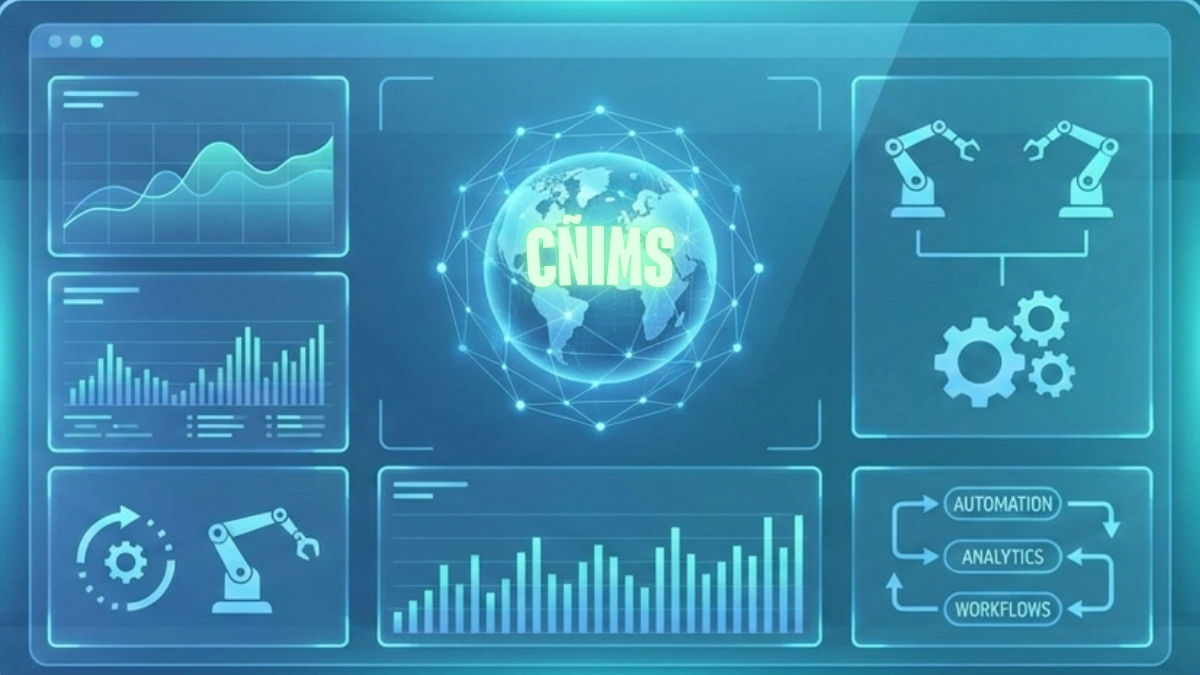
In today’s digital-first world, organizations are increasingly relying on intelligent systems to manage data, operations, and decision-making processes. As businesses grow more complex, traditional manual management methods struggle to keep up with speed, accuracy, and scalability. This growing challenge has led to the evolution of integrated management systems designed to streamline workflows and improve efficiency.
CÑIMS emerges as a modern concept that represents a centralized, intelligent management framework. It focuses on connecting data, processes, and insights into a unified system that supports smarter decisions and better performance across different sectors.
As digital transformation accelerates, platforms and systems like CÑIMS are becoming essential tools rather than optional upgrades.
What Is CÑIMS? A Conceptual Overview
CÑIMS stands for a centralized and intelligent management system designed to integrate multiple operational functions into one cohesive platform. Instead of using disconnected tools, CÑIMS enables organizations to manage workflows, analytics, and reporting in a single environment.
The core idea behind CÑIMS is simplification through intelligence. By combining automation, data integration, and smart insights, it reduces manual workload and minimizes errors. This makes operations more reliable and scalable over time.
CÑIMS is not limited to a single industry. Its flexible structure allows it to adapt to business, education, healthcare, logistics, and administrative environments.
The Purpose and Vision Behind CÑIMS
The primary purpose of CÑIMS is to create clarity in complex systems. Modern organizations generate massive amounts of data, but without proper structure, that data becomes difficult to manage or analyze effectively.
CÑIMS aims to turn raw data into actionable intelligence. By organizing information and applying intelligent logic, it helps users understand patterns, track performance, and identify opportunities for improvement.
The long-term vision of CÑIMS is to enable smarter ecosystems where technology supports human decision-making rather than complicating it.
Core Features of the CÑIMS Framework
One of the defining characteristics of CÑIMS is its centralized dashboard. This allows users to monitor activities, metrics, and performance indicators from a single interface, saving time and improving visibility.
Another key feature is automation. Routine tasks such as reporting, scheduling, and data synchronization can be handled automatically, reducing human error and operational delays.
CÑIMS also emphasizes adaptability. The system can be customized based on organizational needs, ensuring relevance across different workflows and industries.
How CÑIMS Improves Operational Efficiency
Efficiency is a major challenge for growing organizations. Disconnected systems often lead to duplicated work, data inconsistencies, and communication gaps. CÑIMS addresses these issues by integrating all processes into one streamlined system.
With real-time data access, teams can respond quickly to changes and make informed decisions. This reduces downtime and improves productivity across departments.
By eliminating unnecessary manual steps, CÑIMS allows teams to focus on strategic tasks rather than routine administration.
CÑIMS and Data Management
Data is the backbone of any modern organization, and CÑIMS places strong emphasis on structured data management. It ensures that information is stored securely, accessed efficiently, and updated consistently.
Through intelligent categorization and filtering, users can easily retrieve relevant data without navigating complex databases. This improves accuracy and saves valuable time.
CÑIMS also supports data-driven decision-making by transforming stored information into meaningful insights and reports.
The Role of Intelligence and Automation in CÑIMS
Intelligence within CÑIMS refers to its ability to analyze data patterns and assist users with insights. Rather than simply storing information, the system helps interpret it.
Automation plays a critical role by handling repetitive tasks such as alerts, updates, and routine checks. This reduces operational workload and increases reliability.
Together, intelligence and automation make CÑIMS a proactive system rather than a passive data repository.
CÑIMS in Business and Enterprise Environments
In business environments, CÑIMS supports management by aligning operations with organizational goals. Leaders gain a clearer view of performance metrics, helping them make strategic decisions.
For teams, the system improves collaboration by providing shared access to updated information. This reduces misunderstandings and enhances coordination.
CÑIMS also supports scalability, allowing businesses to grow without losing control over processes and data.
Applications of CÑIMS in Education and Institutions
Educational institutions face unique challenges related to administration, reporting, and performance tracking. CÑIMS can streamline these processes by centralizing academic and operational data.
Administrators benefit from improved reporting and planning tools, while educators gain access to insights that support better learning outcomes.
By reducing administrative burden, CÑIMS allows institutions to focus more on education quality and student engagement.
Security and Reliability in CÑIMS
Security is a critical concern in digital systems, and CÑIMS prioritizes data protection. Controlled access, authentication, and monitoring help safeguard sensitive information.
Reliability is equally important. CÑIMS is designed to ensure consistent performance, minimizing system downtime and data loss risks.
These measures build trust and make the system suitable for long-term use in sensitive environments.
User Experience and Accessibility
A system’s success depends largely on its usability. CÑIMS emphasizes a user-friendly interface that is easy to navigate, even for non-technical users.
Clear layouts, intuitive controls, and logical workflows help users adapt quickly. This reduces training time and increases adoption rates.
Accessibility across devices ensures that users can interact with the system whenever and wherever needed.
Benefits of Implementing CÑIMS
Implementing CÑIMS offers multiple benefits, including improved efficiency, better data visibility, and enhanced decision-making capabilities.
Organizations experience reduced operational costs as automation replaces manual processes. Accuracy and consistency also improve significantly.
Overall, CÑIMS supports sustainable growth by creating a stable and intelligent operational foundation.
Challenges and Considerations
Like any system, CÑIMS implementation requires careful planning. Organizations must clearly define their goals and requirements before adoption.
Change management is another consideration. Teams need proper guidance and training to fully leverage the system’s capabilities.
Addressing these challenges early ensures smoother implementation and long-term success.
The Future Potential of CÑIMS
The future of CÑIMS lies in deeper intelligence and smarter automation. As technologies evolve, systems like CÑIMS can incorporate advanced analytics and predictive insights.
Integration with emerging technologies may further enhance efficiency and adaptability. This positions CÑIMS as a forward-looking solution.
As digital ecosystems continue to grow, intelligent management systems will become even more essential.
Why CÑIMS Matters in the Digital Era
In an era defined by data and speed, managing complexity effectively is crucial. CÑIMS provides a structured yet flexible approach to handling modern challenges.
By aligning technology with human decision-making, it creates balance between automation and control.
CÑIMS matters because it empowers organizations to operate smarter, not harder.
Conclusion: CÑIMS as a Smart Management Solution
CÑIMS represents a modern approach to intelligent management, combining data integration, automation, and user-focused design. It addresses the growing need for clarity, efficiency, and adaptability in complex environments.
Through centralized control and intelligent insights, CÑIMS helps organizations unlock the true value of their data. It supports better decisions, smoother operations, and sustainable growth.
As digital transformation continues, systems like CÑIMS will play a vital role in shaping the future of efficient management.
FAQs
What is CÑIMS used for?
CÑIMS is used to centralize operations, manage data efficiently, and support intelligent decision-making through automation and analytics.
Is CÑIMS suitable for small businesses?
Yes, CÑIMS can be adapted for both small organizations and large enterprises due to its flexible and scalable structure.
How does CÑIMS improve efficiency?
It reduces manual work by automating routine tasks and integrating multiple systems into a single platform.
Is CÑIMS industry-specific?
No, CÑIMS is designed to work across multiple sectors including business, education, healthcare, and administration.
Does CÑIMS support digital transformation?
Yes, CÑIMS plays a key role in digital transformation by enabling data-driven operations and smarter workflows.
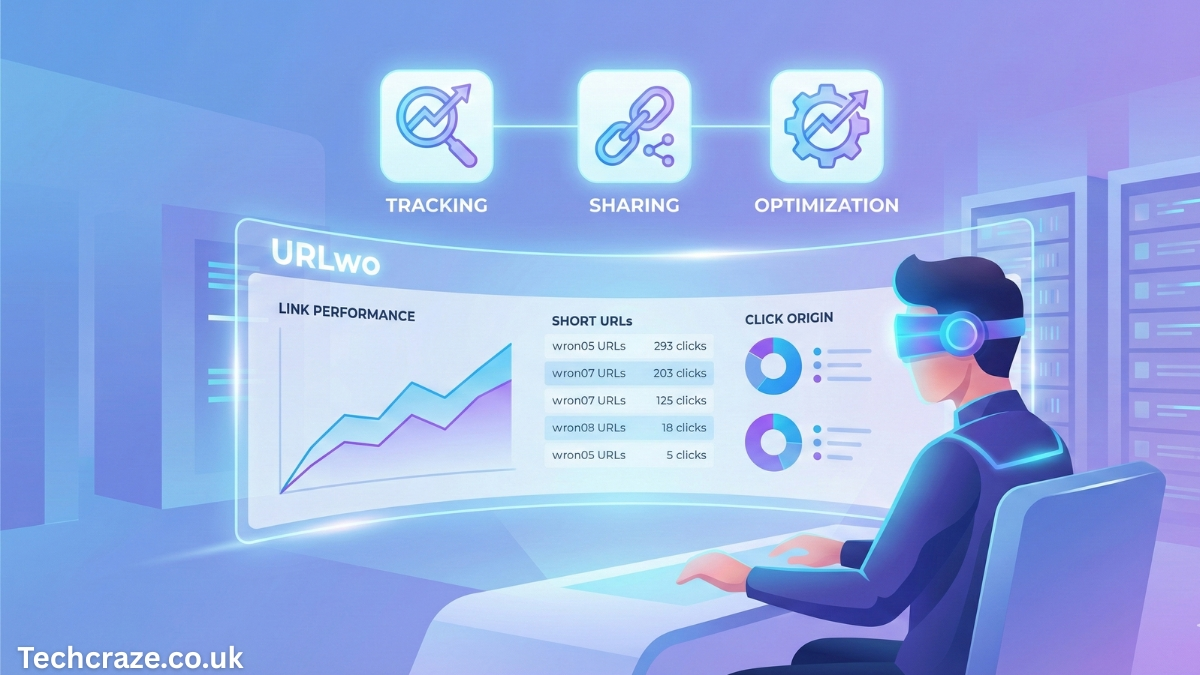
“URLwo is a simple link-management tool that lets users shorten long URLs, customize them for branding and track link performance through basic analytics. It helps bloggers, marketers and businesses improve link organization, increase click-through rates and create cleaner, more professional URLs for social media, websites and digital campaigns.”
The digital world runs on links. Whether you’re promoting a blog, sharing resources on social media or building an online business, the URLs you share play a major role in how people interact with your content. This is exactly why tools like URLwo have become popular among marketers, creators and website owners who want more control over their links.
URLwo is known for offering link-related features that help you shorten, organize, track and optimize URLs for better performance. It is useful for bloggers, businesses and anyone looking to improve online reach. In this guide, we’ll explore what URLwo is, how it works, the features it provides and how you can use it for digital growth.
What Is URLwo and Why Is It Used?
URLwo is an online link-management tool designed for creating short, clean and shareable URLs. Long or complex links can look unprofessional and often discourage users from clicking. URLwo solves this by turning bulky URLs into simple, branded or trackable links.
Shortened URLs are easier to share on social media, messaging apps, websites and newsletters. They improve user experience and help creators build a more organized link structure. Beyond shortening, URLwo also supports analytic features that show how links are performing. This makes it helpful for bloggers, advertisers and businesses tracking engagement.
Another reason URLwo stands out is its ease of use. Even users with no technical experience can shorten links or manage campaigns within seconds. This combination of simplicity and functionality makes it a valuable tool in modern digital marketing.
How URLwo Helps Bloggers and Content Creators
For bloggers, link optimization is essential. If you’re publishing articles daily, sharing your work across multiple platforms or linking out to references, URLwo can streamline the entire process. It keeps your links clean and organized, reducing clutter in posts and social shares.
Bloggers can also use URLwo to monitor which platforms drive traffic. When sharing new posts on Facebook, WhatsApp, Twitter or LinkedIn, unique short URLs allow you to track the exact source of clicks. This helps you understand what your audience prefers.
Creators who rely on affiliate marketing benefit even more. Long affiliate links tend to appear spam-like. URLwo fixes this by making them professional and easy to trust. Clean links naturally lead to better click-through rates, which means more revenue.
URL Shortening Features of URLwo
One of the core features of URLwo is fast and reliable URL shortening. You can paste any long link and get a shortened version instantly. These short links work seamlessly across devices, platforms and browsers.
The shortener also aims to maintain link stability, meaning your links remain active and accessible over time. This is particularly helpful for evergreen content or long-term marketing campaigns. Users can also store their shortened URLs inside the platform for future use, keeping their digital toolbox organized.
Another benefit is link customization. Many link shorteners give generic, random character URLs. URLwo often allows users to personalize the keyword portion, giving links a branded touch. This gives you more control and helps build recognition among your audience.
Link Tracking and Analytics in URLwo
Tracking is a huge part of link optimization. URLwo provides basic analytics that show how your links perform over time. Understanding link performance helps businesses refine strategies and improve engagement.
These analytics typically include the number of clicks, the source of traffic and sometimes geographical insights. Even simple data can be powerful when making decisions about where to invest your marketing energy.
For example, if a link gains more clicks from Instagram than Facebook, you can redirect your efforts toward Instagram. Bloggers can use this information to plan better content distribution strategies and maximize visibility.
Using URLwo for Social Media Marketing
Social media thrives on short, neat and engaging links. Long URLs disrupt flow and often get trimmed automatically by platforms. URLwo gives marketers control by creating professional-looking links that capture attention.
Short URLs also blend well with captions, branded posts and carousel content. When you’re running campaigns or promotions, URLwo allows you to share multiple links efficiently without overwhelming users with clutter.
Influencers and small businesses can also create unique links for each social platform. This helps track exactly which audience responds best. Over time, these insights lead to more targeted posting and improved growth.
URLwo for Business and Brand Promotion
Businesses require consistent branding across all online channels. URLwo supports this by helping companies maintain a clean digital presence. Branded or customized links build trust and can even increase conversions.
For marketing agencies, URLwo can serve as an internal tool for managing dozens of campaigns. Each client’s links can be organized, shortened and monitored separately. The ability to check click performance also helps agencies create monthly reports.
Small businesses can use URLwo to share product pages, promotional offers or customer forms with ease. Short links work well in SMS campaigns, email newsletters and advertising posts. Since they take less space and look more professional, they naturally encourage engagement.
How URLwo Improves User Experience (UX)
Clean URLs lead to better experiences for your audience. Users prefer clicking short links because they appear safe, organized and intentional. This subtle improvement often results in higher trust and smoother navigation.
In blog posts, shorter URLs also look better visually. They keep your article layout clean and prevent distracting clutter. For users reading on mobile devices, short links are much easier to interact with.
UX improvements extend to creators as well. Managing and updating links becomes faster, especially if you maintain a big content library. Instead of digging through long URLs, you can reuse simple short links or update them easily inside URLwo.
Who Should Use URLwo?
URLwo works well for a variety of users. Bloggers, influencers, marketers, freelancers and business owners can all benefit from its simple and organized link tools.
Students and researchers can also use it for projects requiring clean references. Teachers may use shortened links for digital assignments or classroom materials. Event organizers can create short shareable links for registrations or tickets.
In general, anyone who shares links frequently or needs organized tracking will find URLwo extremely helpful.
Tips to Use URLwo More Effectively
To get the most out of URLwo, start by organizing your categories. Group links by content type, platform or campaign. This makes retrieval easier when you need to reuse or update them.
Creating unique URLs for different social platforms helps optimize distribution. You can compare results later and identify which platform offers the best return on time or budget.
Finally, pay attention to analytics. Even basic insights can guide you toward better posting habits and higher engagement. Make link performance part of your content strategy and you’ll see a noticeable difference.
Conclusion
URLwo is a simple yet powerful link-management tool that helps shorten, organize and track URLs. It’s useful for bloggers, businesses and digital marketers who want a more polished and strategic approach to sharing links. With cleaner aesthetics, better tracking and smooth user experience, URLwo offers a practical way to strengthen your online presence.
If you’re building a blog, promoting content or running online campaigns, integrating a tool like URLwo can save you time while improving your overall performance.
FAQs
What is URLwo used for?
URLwo is an online tool that helps you shorten, manage and track URLs. It is commonly used by bloggers, marketers and businesses to keep links clean and monitor their performance.
Is URLwo safe for creating short links?
Yes, URLwo is generally safe for shortening URLs. It generates stable and reliable links that work well across social media platforms, browsers and devices.
Can URLwo track clicks on my links?
URLwo offers basic analytics that show how many clicks your link receives, along with other engagement insights. This helps users understand which platforms drive the most traffic.
Is URLwo helpful for bloggers and content creators?
Absolutely. Bloggers use URLwo to organize links, clean up long URLs and monitor engagement from different platforms. This leads to better content management and higher click-through rates.
Does URLwo support customized short URLs?
Yes, URLwo often allows users to customize the keyword part of the short link. This helps in branding and improves trust among audiences.
NZBGeek is one of the most well-known Usenet indexing platforms used by people who want fast, organized and reliable access to Usenet content. Instead of manually navigating thousands of newsgroups, NZBGeek creates a smooth search experience by collecting, curating and indexing NZB files in an easy-to-browse format. Over the years, it has built a strong reputation for its active community, clean interface and consistent performance.
Users often choose NZBGeek because it strikes a balance between simplicity and powerful features. Whether someone is new to Usenet or already familiar with indexers, they usually find the platform easy to adapt to. It integrates well with many Usenet clients, supports automation tools and offers refined search filters that make it simple to discover high-quality NZBs.
Another reason behind its popularity is NZBGeek’s long-standing presence in the Usenet ecosystem. While many indexers come and go, NZBGeek continues to stay stable thanks to its large member base and proactive backend management. This consistency builds trust, especially in a space where reliability matters.
How NZBGeek Works
At its core, NZBGeek functions as an indexing service rather than a file host. It does not store downloads directly. Instead, it scans Usenet newsgroups, finds posts, generates structured NZB files and presents them in categories users can easily explore. When a user selects an NZB file, it simply tells their newsreader where to fetch the content from.
This system keeps NZBGeek fast and lightweight. Because it focuses only on indexing, users experience smooth navigation without delays. Searching is also more efficient because the platform uses well-tuned filters and metadata tagging to highlight clean and complete posts. This ensures fewer dead links and a better overall download success rate.
Another key point is how NZBGeek integrates with automation tools like Sonarr, Radarr, Lidarr and NZBGet. Automation is a major advantage for advanced users. With a proper setup, NZBGeek can automatically deliver NZBs to your newsreader as soon as matching content becomes available. This reduces manual searching and makes the user experience seamless.
Main Features of NZBGeek
One of NZBGeek’s biggest strengths is its feature-rich interface. It offers powerful search filters, category-based browsing and advanced sorting options. These help users pinpoint exactly what they want without combing through irrelevant results. NZBGeek also offers a “GeekSeek” advanced search mode, which is especially useful for users who know what they’re looking for and want precise filtering.
Another notable feature is NZBGeek’s community-driven structure. Members regularly contribute by reporting issues, improving categories and helping new users. This keeps the index fresh and up-to-date. The platform also uses smart completion checks to ensure higher NZB quality, minimizing failed downloads or incomplete posts. This makes it more efficient compared to basic free indexers.
The site also supports integrations with multiple newsreaders and automation tools. Whether you’re using SabNZBD, NZBGet, Sonarr or Radarr, NZBGeek works smoothly. These integrations improve speed, accuracy and convenience for users who prefer hands-off automation.
Why NZBGeek is Popular Among Usenet Users
NZBGeek stands out because it offers a clean balance of affordability and performance. Many premium indexers charge high prices, but NZBGeek keeps its membership costs comparatively low while offering excellent indexing quality. This affordability makes it accessible to beginners who want to explore the Usenet ecosystem without overspending.
Users also appreciate NZBGeek’s reliability. New content is indexed quickly, search results are consistently accurate and automation rarely breaks. In a field where stability matters, NZBGeek excels by maintaining uptime and strong backend monitoring. This means users can trust the platform for both manual searching and automated workflows.
Another reason behind its popularity is the sense of community. Unlike fully automated indexers with no support or interaction, NZBGeek offers an active forum where users exchange tips, troubleshooting advice and recommendations. This community-driven support improves the user experience and helps newcomers understand Usenet more easily.
NZBGeek vs Other Usenet Indexers
When compared with other indexers, NZBGeek usually scores high on value and usability. Many indexers lack proper completion checks, which leads to a lot of broken NZBs. NZBGeek’s quality control system reduces such problems, making it a more dependable choice. Its simple interface also gives it an edge over platforms that rely on overly complex navigation.
Another standout comparison point is community activity. Some indexers rely entirely on automated bots, leaving outdated or low-quality content untouched. NZBGeek, on the other hand, blends automation with user-driven improvements. This combination results in cleaner results, better categorization and faster issue resolution.
Pricing is another area where NZBGeek shines. While some indexers charge premium fees, NZBGeek keeps its membership affordable without sacrificing features. Users get good value, reliable indexing and smooth integration without paying extra for basic access.
Membership Options and Pricing
NZBGeek offers multiple membership plans, usually categorized into short-term, long-term and lifetime access. These plans are designed to meet the needs of different users. Beginners often start with monthly or quarterly plans, while experienced Usenet users may choose long-term or lifetime memberships for added value.
The pricing is generally lower than many premium indexers. Even with an affordable cost, NZBGeek delivers a premium experience with high-quality results and automation support. This combination of affordability and strong features is one of the main reasons for its popularity in the Usenet community.
Paid memberships also unlock extra search filters, API access for automation tools, and a faster indexing rate. This means users who depend on automation or frequent downloads benefit significantly from the premium options.
Safety and Privacy Considerations
NZBGeek focuses on indexing rather than hosting content, which limits its exposure to direct security risks. It also uses secure browsing (HTTPS) and encourages users to connect through secure Usenet providers that offer SSL encryption. This layer of encryption helps protect user activity from unwanted monitoring.
Users should also ensure they use a reputable Usenet provider alongside NZBGeek. While NZBGeek is responsible for indexing, the actual downloads come from your provider. Choosing a provider with strong retention, fast speeds and SSL support enhances safety and performance.
Although NZBGeek itself doesn’t track downloads, users should still follow safe practices. Using secure automation tools, protecting API keys and using updated software helps ensure a safe and stable experience.
Is NZBGeek Worth Using?
For anyone who is serious about using Usenet, NZBGeek is a strong option. It offers a reliable index, active community support, powerful automation capabilities and affordable pricing. These features make it suitable for both beginners and advanced users.
The platform’s stability and consistent indexing make it a trustworthy long-term choice. Users rarely encounter major downtime or broken features. Its support for automation tools also makes it ideal for people who want a hands-off setup that runs smoothly with minimal manual searching.
Overall, NZBGeek offers great value. It blends simplicity, usability and quality indexing, placing it among the top Usenet indexers available today.
Conclusion
NZBGeek has become a go-to Usenet indexer because it delivers reliability, strong features and smooth integrations at an affordable price. Its community involvement, search accuracy and automation support make it ideal for newcomers and long-time Usenet enthusiasts. Whether you prefer manual browsing or a fully automated setup, NZBGeek provides a dependable and user-friendly experience.
FAQs
What is NZBGeek?
NZBGeek is a community-driven Usenet indexer that helps users find and download NZB files quickly. It organizes Usenet posts into searchable categories and integrates smoothly with automation tools like Sonarr, Radarr and NZBGet.
Is NZBGeek free to use?
NZBGeek offers limited free access, but most users choose a paid membership for better search results, API access, faster indexing and integration with automation tools. The pricing is affordable compared to other premium indexers.
Does NZBGeek host files?
No. NZBGeek only indexes Usenet content. It creates NZB files that point your newsreader toward the correct Usenet server location. The actual download happens through your Usenet provider, not the indexer.
Is NZBGeek safe?
Yes, NZBGeek uses secure browsing and does not host any files directly. For full safety, you should pair it with a reputable Usenet provider that supports SSL encryption. Using secure tools and protecting your API keys also adds extra safety.
Can I automate downloads with NZBGeek?
Absolutely. NZBGeek integrates well with automation tools like Sonarr, Radarr, Lidarr, NZBGet and SABnzbd. These tools can automatically grab NZB files based on your filters and send them to your newsreader without manual searching.
-

 Guides8 months ago
NippyDrive: Fast & Secure Cloud Storage Platform
-
 Crypto1 year ago
Crypto30x.com Gemini: A Deep Dive into the Future of Crypto
-
 Crypto1 year ago
CrypticStreet.com Guides: Your Ultimate Resource Hub
-

 Entertainment6 months ago
Mkvmoviespoint: Latest Movies & Web Series Guide
-
 News1 year ago
Cristian Romero Opens Door to Tottenham Exit as Atletico Madrid Eyes £43 Million Move for Argentina Star
-
 Blog1 year ago
FeedbackMagazines.org/: A Hub for Engaging Content
-
 News1 year ago
Nancy Mace Faces Criticism and Support After Heated Exchange With Trans Activist at South Carolina Event
-

 Apps9 months ago
HydraHD: Everything You Need to Know About the Platform