
Singapore
Best Welder Jobs in Philippines for Skilled Trade Workers

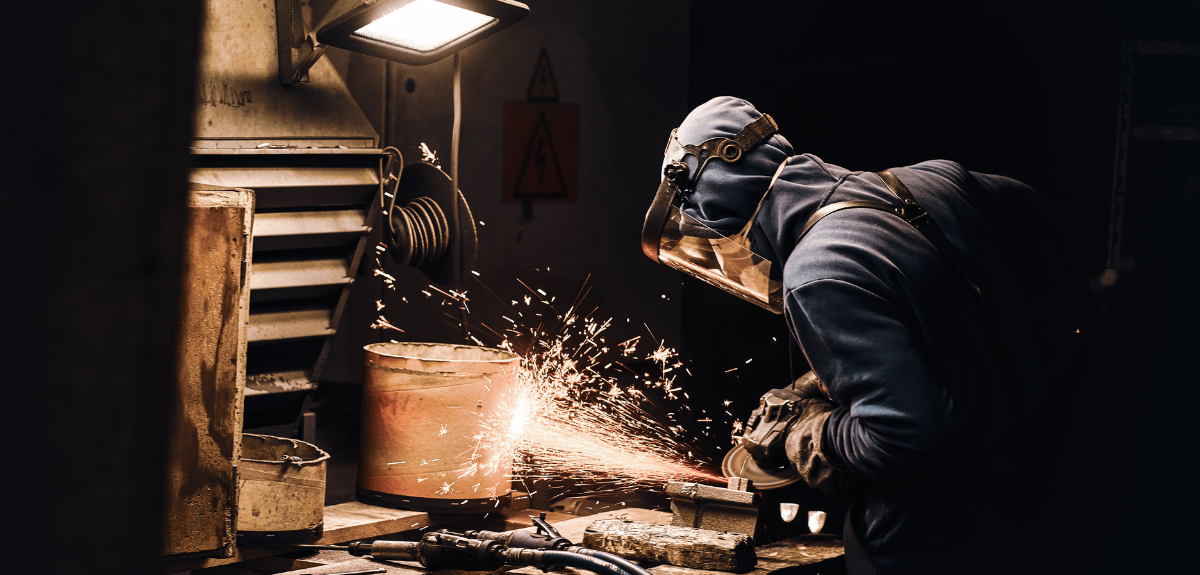
Best Welder Jobs in Philippines for Skilled Trade Workers provide outstanding opportunities for skilled trade workers seeking stable is one of the most respected and in-demand skilled trades in the Philippines. As the country’s construction, manufacturing, shipbuilding, oil and gas, infrastructure, and industrial sectors continue to grow, employers are constantly searching for qualified welders who can produce strong, precise, and safe metal structures. Whether working on high-rise buildings, bridges, factories, pipelines, ships, or heavy machinery, skilled welders play a critical role in nearly every major development project.
For skilled trade workers, welding offers stable employment, competitive salaries, and excellent opportunities for career advancement. Many experienced Filipino welders also use their local work experience as a stepping stone to higher-paying international jobs in countries such as Japan, South Korea, Singapore, Australia, Canada, the Middle East, and Europe. Because welding is recognized worldwide as a specialized trade, certified professionals often enjoy better employment security and higher earning potential than many other manual labor occupations.
This comprehensive guide explains everything you need to know about welder jobs in the Philippines, including responsibilities, qualifications, salary expectations, industries hiring welders, application procedures, required documents, career advancement, and practical job search tips.
Why Choose a Welding Career in the Philippines?
The Philippine economy continues to invest heavily in infrastructure development, manufacturing, shipbuilding, transportation, and commercial construction. These industries require thousands of skilled welders every year to fabricate, repair, and maintain steel structures and equipment.
One major advantage of becoming a welder is the opportunity to specialize in different welding techniques such as Shielded Metal Arc Welding (SMAW), Gas Metal Arc Welding (MIG), Gas Tungsten Arc Welding (TIG), Flux-Cored Arc Welding (FCAW), and Submerged Arc Welding (SAW). Skilled welders with certifications in multiple welding methods are highly valued by employers and often receive better salaries.
Another benefit is career stability. Unlike many temporary occupations, welding skills remain in demand across multiple industries. Workers who continue improving their technical knowledge and safety practices can enjoy long-term employment and opportunities to supervise projects or train new employees.
Types of Welder Jobs Available
The welding industry offers a variety of specialized positions depending on the employer and project requirements.
Common welding jobs include:
- Structural Welder
- Pipe Welder
- Fabrication Welder
- Shipyard Welder
- Maintenance Welder
- Stainless Steel Welder
- MIG Welder
- TIG Welder
- Arc Welder
- Heavy Equipment Welder
- Industrial Welder
- Construction Welder
Each specialization requires different techniques, equipment, and materials. Experienced welders who can perform multiple welding processes generally have greater employment opportunities.
Duties and Responsibilities of a Welder
A welder’s primary responsibility is joining metal components safely and accurately according to engineering specifications and construction standards. Welders work with various metals including steel, stainless steel, aluminum, and iron while ensuring structural integrity and quality workmanship.
Typical responsibilities include:
- Reading and interpreting engineering drawings and blueprints.
- Preparing metal surfaces before welding.
- Measuring and cutting metal materials accurately.
- Operating welding machines and cutting equipment.
- Performing MIG, TIG, SMAW, or FCAW welding.
- Inspecting weld quality for defects.
- Repairing damaged metal structures.
- Following workplace safety procedures.
- Maintaining welding equipment and tools.
- Wearing appropriate personal protective equipment (PPE).
Precision, patience, and strict attention to safety are essential for producing durable and high-quality welds.
Skills and Qualifications Required
Most employers seek candidates with practical welding experience, technical training, and a strong understanding of workplace safety. While some companies hire entry-level welders, certified professionals generally receive higher salaries and better job opportunities.
Important qualifications include:
- High school diploma or equivalent.
- Vocational welding training.
- TESDA Welding Certification (preferred).
- Ability to read technical drawings.
- Good mathematical measurement skills.
- Physical strength and stamina.
- Knowledge of welding safety standards.
- Ability to work independently and as part of a team.
- Strong attention to detail.
Employers also appreciate workers who are punctual, disciplined, dependable, and committed to producing quality work.
Salary Expectations and Employee Benefits
Welder salaries in the Philippines vary depending on experience, certification level, location, and industry.
| Position | Estimated Monthly Salary |
|---|---|
| Entry-Level Welder | PHP 18,000–25,000 |
| Certified Welder | PHP 25,000–40,000 |
| Pipe Welder | PHP 35,000–55,000 |
| Shipyard Welder | PHP 35,000–60,000 |
| Welding Supervisor | PHP 50,000–80,000+ |
Many employers also provide additional benefits, including:
| Benefit | Availability |
|---|---|
| Overtime Pay | Yes |
| Holiday Pay | Yes |
| Health Insurance | Common |
| Government Benefits | Usually Provided |
| Uniforms | Employer Provided |
| Safety Equipment | Included |
| Skills Training | Available |
| Performance Bonuses | Some Companies |
Actual salaries and benefits vary depending on the employer and project requirements.
Industries Hiring Skilled Welders
Skilled welders are employed in numerous industries throughout the Philippines.
Construction Industry
Large infrastructure and commercial building projects require structural welders to fabricate steel frameworks and reinforcement systems.
Shipbuilding Industry
The Philippines is home to major shipbuilding facilities where welders assemble, repair, and maintain commercial and industrial vessels.
Manufacturing
Factories hire welders to fabricate machinery, production equipment, storage tanks, and industrial components.
Oil and Gas
Energy companies require certified welders for pipelines, pressure vessels, refineries, and maintenance projects.
Mining and Heavy Equipment
Mining operations employ welders to repair heavy machinery, conveyors, crushers, and excavation equipment.
These industries provide long-term employment opportunities for qualified professionals.
How to Apply for Welder Jobs in the Philippines
Finding welding jobs begins with preparing a professional resume that clearly outlines your experience, certifications, technical skills, and previous projects. Include all relevant welding processes you are qualified to perform and mention any specialized equipment you have operated.
Search for vacancies through:
- Company career websites.
- Online job portals.
- Licensed recruitment agencies.
- Government employment offices.
- Manufacturing companies.
- Construction firms.
- Shipbuilding companies.
Before accepting a job offer, carefully review salary, overtime pay, benefits, working hours, safety policies, and employment conditions.
Required Documents
Applicants should prepare the following documents:
- Updated resume or CV.
- Valid government-issued identification.
- TESDA Welding Certificate (if available).
- Employment certificates.
- Educational records.
- Training certificates.
- Medical examination results (if requested).
- Police clearance (when required).
- Passport (for overseas opportunities).
Keeping these documents organized will help speed up the recruitment process.
Job Guide for Skilled Trade Workers
Follow these steps to improve your chances of securing a welding job in the Philippines:
Step 1: Complete Welding Training
Enroll in a recognized vocational institution and complete professional welding training. Obtaining a TESDA certification can improve your employment prospects and demonstrate your technical competence.
Step 2: Build Practical Experience
Practice different welding techniques through apprenticeships, internships, or entry-level jobs. Experience in MIG, TIG, SMAW, and FCAW welding increases your value to employers.
Step 3: Prepare a Professional Resume
Create a resume that highlights your certifications, work history, welding processes, safety training, and completed projects. Include measurable achievements whenever possible.
Step 4: Search for Verified Job Opportunities
Apply through reputable employers, licensed recruitment agencies, official company websites, and trusted job portals. Avoid offers that require large upfront payments or guarantee employment without proper interviews.
Step 5: Attend Interviews and Welding Tests
Many employers conduct practical welding assessments in addition to interviews. Demonstrate your technical skills, safety awareness, and ability to interpret engineering drawings.
Step 6: Review the Employment Contract
Carefully examine your job offer, including salary, overtime compensation, working hours, leave benefits, insurance, and workplace safety policies before signing the contract.
Step 7: Continue Learning
Successful welders regularly upgrade their skills by learning advanced welding techniques, earning additional certifications, and staying updated with industry standards. Continuous learning can lead to supervisory positions and higher-paying local or international opportunities.
Career Growth Opportunities
Welding offers excellent long-term career prospects. Skilled workers who consistently demonstrate technical expertise and professionalism can advance into higher-level positions.
Possible career paths include:
- Senior Welder
- Lead Welder
- Welding Inspector
- Welding Foreman
- Fabrication Supervisor
- Welding Trainer
- Quality Control Inspector
- Construction Supervisor
- Maintenance Manager
- Welding Engineer (with additional education)
Many experienced welders also pursue overseas employment, where internationally recognized certifications and several years of professional experience can lead to significantly higher salaries.
Conclusion
Best Welder Jobs in Philippines for Skilled Trade Workers provide outstanding opportunities for skilled trade workers seeking stable employment, competitive wages, and long-term career development. As infrastructure, shipbuilding, manufacturing, and industrial projects continue to expand, qualified welders remain among the most sought-after professionals in the country’s labor market. With proper training, recognized certifications, and a commitment to safety and quality workmanship, workers can build rewarding careers both locally and internationally.
By preparing a strong resume, gaining practical experience, earning industry certifications, and applying through legitimate employers, you can greatly improve your chances of securing a high-quality welding position. Investing in continuous skill development will open the door to promotions, leadership roles, and higher-paying opportunities throughout your career.
Frequently Asked Questions (FAQs)
1. Do I need certification to become a welder in the Philippines?
Certification is not always mandatory, but a TESDA Welding Certificate is highly recommended because many employers prefer certified applicants.
2. Which welding specialization pays the highest?
Pipe welders, shipyard welders, and industrial welders often earn higher salaries due to the specialized skills and safety requirements involved.
3. Can beginners apply for welding jobs?
Yes. Some companies hire entry-level welders and provide on-the-job training, although completing vocational training first improves your chances.
4. What industries hire welders in the Philippines?
Construction, manufacturing, shipbuilding, mining, oil and gas, heavy equipment maintenance, and industrial fabrication companies regularly recruit skilled welders.
5. What safety equipment should welders use?
Welders should wear a welding helmet, safety glasses, gloves, flame-resistant clothing, steel-toe boots, hearing protection, and other personal protective equipment (PPE).
6. Is welding physically demanding?
Yes. Welding requires standing for long periods, lifting materials, working in confined spaces, and maintaining concentration while handling high-temperature equipment.
7. Can welding experience in the Philippines help me work overseas?
Yes. Many countries actively recruit experienced and certified Filipino welders for construction, shipbuilding, manufacturing, and industrial projects.
8. How can I increase my welding salary?
You can improve your earning potential by obtaining advanced certifications, learning multiple welding processes, gaining practical experience, and specializing in high-demand industries.
9. What documents should I prepare before applying?
Prepare your updated resume, government-issued ID, welding certificates, employment records, educational documents, and any additional certifications requested by employers.
10. How can I avoid welding job scams?
Apply only through verified employers, official company career pages, licensed recruitment agencies, or reputable job portals. Never pay large upfront fees for guaranteed employment or visa processing without proper verification.

-

 Australia4 weeks ago
Hospital Cleaners In Required Australia: Growing Career Opportunities
-

 Guides9 months ago
NippyDrive: Fast & Secure Cloud Storage Platform
-
 News1 year ago
Federal legal team successfully supports U.S. Forest Service initiatives improving forest health and fire resilience across Western states
-
 Crypto1 year ago
Crypto30x.com Gemini: A Deep Dive into the Future of Crypto
-

 Entertainment8 months ago
Mkvmoviespoint: Latest Movies & Web Series Guide
-
 Crypto1 year ago
CrypticStreet.com Guides: Your Ultimate Resource Hub
-
 News1 year ago
Cristian Romero Opens Door to Tottenham Exit as Atletico Madrid Eyes £43 Million Move for Argentina Star
-
 Blog1 year ago
FeedbackMagazines.org/: A Hub for Engaging Content