
Canada
Auto Electrician: Powering Modern Vehicle Performance

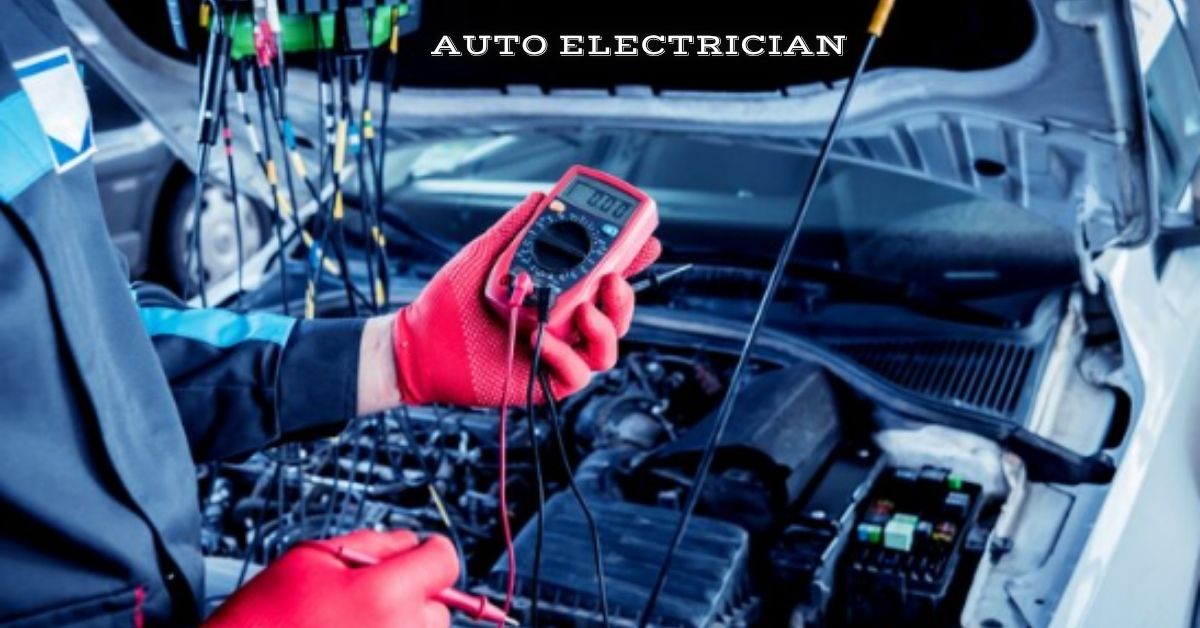
Modern vehicles are no longer just mechanical machines; they are sophisticated systems driven by advanced electronics and computerized components. From ignition systems and battery management to navigation units and safety sensors, electrical technology plays a crucial role in every aspect of vehicle performance. This growing dependence on automotive electronics has significantly increased the demand for a skilled auto electrician who can diagnose, repair, and maintain complex electrical systems. Whether it’s fixing wiring faults, installing accessories, or troubleshooting electronic control units, these professionals ensure vehicles remain safe, reliable, and efficient on the road.
Understanding the Role of an Auto Electrician
An automotive electrical specialist is responsible for inspecting, diagnosing, repairing, and maintaining the electrical systems found in cars, trucks, buses, and other vehicles. Unlike traditional mechanics who primarily focus on engines and mechanical components, these professionals specialize in electrical circuits, batteries, alternators, starter motors, sensors, onboard computers, and wiring networks. Their expertise is essential because modern automobiles rely heavily on electronic technology to manage performance, fuel efficiency, safety, and comfort features.
The profession has evolved dramatically over the years. Decades ago, vehicle electrical systems were relatively simple, consisting mainly of batteries, lights, and ignition components. Today, modern automobiles feature advanced driver assistance systems, touchscreen infotainment units, electronic fuel injection, adaptive lighting, and numerous sensors that require specialized diagnostic skills. As a result, technicians working in this field must continuously update their knowledge to keep pace with emerging automotive technologies and industry innovations.
Essential Skills Required for Success in the Industry
Working with automotive electrical systems requires a combination of technical expertise, analytical thinking, and practical problem-solving abilities. One of the most important skills is the ability to read and interpret wiring diagrams. These diagrams help technicians understand how different electrical components interact and enable them to identify faults efficiently. Without this skill, diagnosing electrical issues can become time-consuming and inaccurate.
Another critical competency is proficiency with diagnostic equipment. Modern vehicles generate fault codes through onboard diagnostic systems, and professionals must know how to use scanners, multimeters, oscilloscopes, and testing devices to locate problems accurately. Attention to detail is equally important because even a minor wiring defect can lead to significant vehicle malfunctions. Strong communication skills also help technicians explain technical issues to customers in a clear and understandable manner, building trust and ensuring customer satisfaction.
Common Electrical Problems Found in Modern Vehicles
Electrical faults can affect virtually every function within a vehicle. One of the most common issues involves battery failure. Weak or damaged batteries can prevent a vehicle from starting and may also impact electronic accessories. Charging system problems, often caused by faulty alternators, can lead to battery drainage and recurring power failures that leave drivers stranded unexpectedly.
Wiring issues represent another frequent challenge. Over time, wires may become damaged due to heat, vibration, corrosion, or accidental wear. Faulty wiring can disrupt communication between electronic modules, resulting in warning lights, malfunctioning sensors, or intermittent performance issues. Additional problems often include defective starters, blown fuses, malfunctioning lighting systems, damaged switches, and sensor failures. Because these faults can be difficult to identify without specialized equipment, professional diagnosis remains essential for effective repairs and long-term reliability.
Auto Electrician Services That Keep Vehicles Running Smoothly
A professional auto electrician provides a wide range of services designed to maintain vehicle safety, performance, and convenience. Battery testing and replacement are among the most frequently requested services. Technicians inspect battery health, verify charging performance, and ensure all electrical connections remain secure. This preventive approach helps avoid unexpected breakdowns and improves vehicle dependability.
Additional services include alternator repairs, starter motor replacement, wiring repairs, electronic diagnostics, and lighting system maintenance. Many specialists also install aftermarket accessories such as reversing cameras, GPS tracking systems, parking sensors, dash cameras, security alarms, and entertainment units. As vehicles become increasingly connected and technology-driven, demand for these installation and troubleshooting services continues to grow. Professional maintenance ensures electronic systems function correctly while minimizing the risk of future electrical failures.
The Impact of Advanced Technology on Automotive Electrical Systems
Technological advancement has transformed the automotive industry at an unprecedented pace. Modern vehicles contain dozens of electronic control modules that communicate through sophisticated data networks. These systems regulate engine performance, braking functions, climate control, safety features, and driver assistance technologies. Consequently, electrical specialists must understand both traditional circuitry and advanced computer-controlled systems.
The introduction of hybrid and electric vehicles has added another layer of complexity. High-voltage battery systems require specialized knowledge and strict safety procedures. Technicians must learn how to safely inspect, repair, and maintain these systems while complying with industry standards. Furthermore, emerging technologies such as autonomous driving features, wireless connectivity, predictive diagnostics, and over-the-air software updates continue to reshape the profession. Continuous education and technical training are therefore essential for staying relevant in this rapidly evolving field.
Career Opportunities and Growth Potential
The automotive sector offers numerous opportunities for individuals interested in electrical and electronic systems. Technicians may find employment in vehicle dealerships, independent repair workshops, fleet maintenance companies, public transportation organizations, mining operations, and manufacturing facilities. Because nearly every modern vehicle depends on advanced electronics, skilled professionals remain highly sought after across multiple industries.
Career progression opportunities are also substantial. Experienced technicians may advance to supervisory positions, workshop management roles, technical training careers, or diagnostic specialist positions. Some choose to establish their own automotive service businesses, offering specialized electrical repair and installation services. As electric vehicles continue gaining popularity worldwide, demand for professionals with expertise in advanced vehicle electronics is expected to increase significantly. This creates strong long-term employment prospects and attractive earning potential for those entering the profession.
Training, Certifications, and Professional Development
Becoming proficient in automotive electrical work typically requires formal education combined with practical experience. Many individuals begin through vocational training programs, technical colleges, or apprenticeships that provide foundational knowledge of electrical principles, vehicle systems, and diagnostic procedures. These programs allow students to gain hands-on experience while learning industry best practices under professional supervision.
Certification can further enhance credibility and career opportunities. Industry-recognized credentials demonstrate technical competence and commitment to professional standards. Ongoing education remains equally important because automotive technology evolves continuously. Manufacturers frequently introduce new electronic systems, software platforms, and diagnostic tools that require updated knowledge. Participation in workshops, manufacturer training programs, and professional development courses helps technicians maintain their expertise and remain competitive within the industry.
Conclusion
The role of an auto electrician has become increasingly important as vehicles continue integrating advanced electronic and computerized systems. From diagnosing complex wiring faults to maintaining sophisticated safety technologies, these professionals play a critical role in ensuring modern automobiles operate efficiently and safely. Their specialized knowledge bridges the gap between traditional mechanical engineering and cutting-edge automotive technology.
As the industry embraces electric mobility, connected vehicles, and intelligent transportation systems, the demand for skilled electrical specialists will continue to rise. For individuals seeking a rewarding and future-focused career, this profession offers excellent opportunities for growth, stability, and continuous learning. Whether maintaining conventional vehicles or supporting the next generation of electric transportation, the expertise of an auto electrician remains indispensable in today’s automotive world.

-
 Guides9 months ago
NippyDrive: Fast & Secure Cloud Storage Platform
-
 Crypto1 year ago
Crypto30x.com Gemini: A Deep Dive into the Future of Crypto
-

 Entertainment7 months ago
Mkvmoviespoint: Latest Movies & Web Series Guide
-

 Australia6 days ago
Hospital Cleaners In Required Australia: Growing Career Opportunities
-
 Crypto1 year ago
CrypticStreet.com Guides: Your Ultimate Resource Hub
-
 News1 year ago
Cristian Romero Opens Door to Tottenham Exit as Atletico Madrid Eyes £43 Million Move for Argentina Star
-
 Blog1 year ago
FeedbackMagazines.org/: A Hub for Engaging Content
-
 News1 year ago
Nancy Mace Faces Criticism and Support After Heated Exchange With Trans Activist at South Carolina Event