Connect with us

Tech

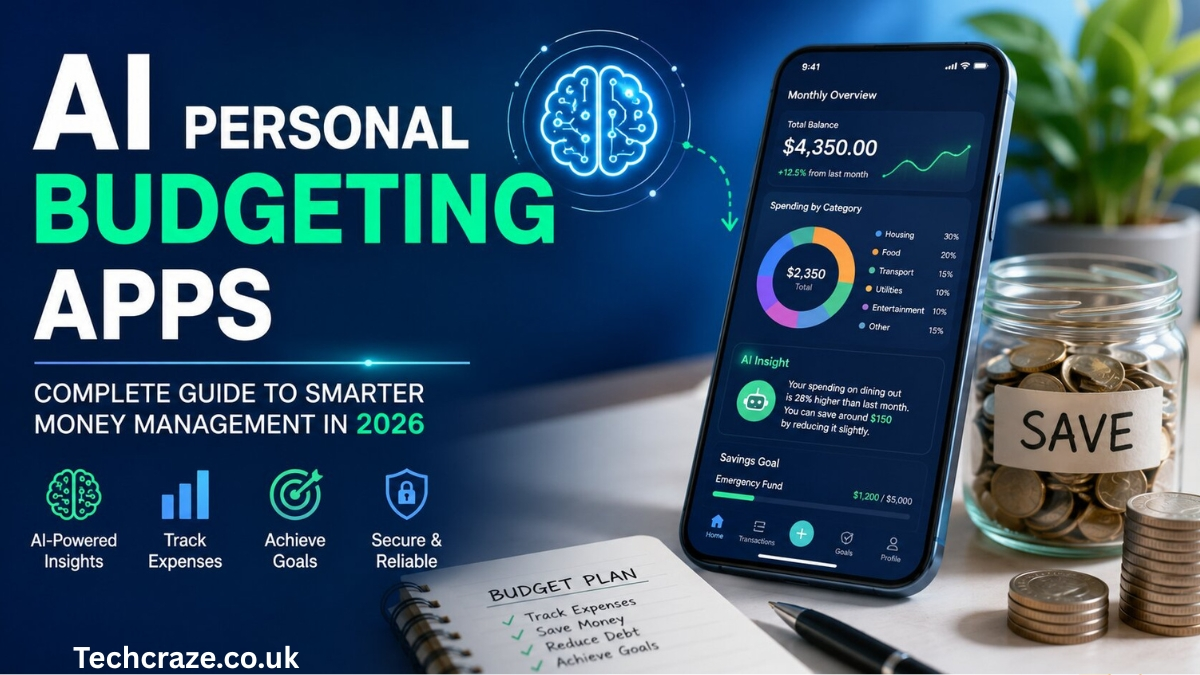
AI Personal Budgeting Apps: Complete Guide to Smarter Money Management in 2026

Published

on

AI Personal Budgeting Apps

Managing money has never been simple, but modern lifestyles have made it even more complicated. People today use online banking, digital wallets, credit cards, subscriptions, mobile payment systems, and shopping applications almost every day. While technology has made payments faster and more convenient, it has also created a new challenge: keeping track of spending.

Many people start each month with a financial plan and end the month wondering where their money went. Small expenses such as coffee purchases, streaming subscriptions, food delivery services, and online shopping may seem harmless individually, but together they can significantly affect monthly budgets.

Traditional budgeting methods often involve spreadsheets, notebooks, or manual calculations. While these methods still work for some people, they require time, consistency, and discipline. Many users eventually stop tracking expenses because the process feels repetitive and difficult to maintain.

Artificial Intelligence is changing this experience completely. AI personal budgeting apps have become powerful tools that help users manage finances more effectively by analyzing spending behavior, identifying patterns, providing recommendations, and helping users make smarter financial decisions.

Rather than acting as simple expense trackers, these applications function as personal financial assistants that continuously learn and adapt to user behavior.

In this guide, we will explore what AI budgeting apps are, how they work, their benefits, challenges, important features, and why they may become a major part of personal finance management in the future.

What Are AI Personal Budgeting Apps?

AI personal budgeting apps are financial management applications that use artificial intelligence and machine learning technology to monitor, organize, and improve the way people manage money.

Traditional budgeting applications usually focus on recording expenses and displaying spending reports. AI-powered budgeting apps go further by studying user behavior and providing intelligent recommendations.

Instead of simply showing financial information, these apps can answer questions such as:

  • Why am I spending more money this month?
  • Which subscriptions am I not using?
  • How much should I save each month?
  • What spending habits are hurting my finances?
  • How can I reduce unnecessary expenses?

AI systems analyze large amounts of financial information and transform it into useful advice that users can apply in real life.

This turns financial data into practical actions.

Why Traditional Budgeting Methods Often Fail

Many people attempt to create budgets using traditional systems but struggle to follow them long-term.

Several common issues make traditional budgeting difficult.

Manual Work Requires Time

One of the biggest challenges is entering information manually.

Users often need to:

  • Record purchases
  • Organize categories
  • Calculate totals
  • Update spreadsheets

This process becomes repetitive and time-consuming.

People with busy schedules frequently forget to update financial records, causing incomplete information.

Limited Insights

Traditional budgeting methods typically show what already happened rather than predicting future situations.

For example:

A user might discover they overspent after reaching the end of the month.

At that point, the damage has already been done.

AI systems attempt to identify problems before they become serious financial issues.

Generic Financial Advice

Traditional budgeting methods often apply the same rules to everyone.

Examples include:

  • Save 20% of income
  • Spend less on entertainment
  • Reduce shopping expenses

However, financial situations vary greatly.

Students, freelancers, business owners, families, and retirees all have different needs and spending behaviors.

AI creates personalized suggestions instead of relying on generic financial rules.

How AI Personal Budgeting Apps Work

Artificial intelligence budgeting apps operate using several technologies working together.

The process usually includes multiple steps.

Step 1: Connecting Financial Accounts

Most AI budgeting apps allow users to connect:

  • Bank accounts
  • Credit cards
  • Savings accounts
  • Investment accounts
  • Digital wallets

The application automatically gathers financial information.

Instead of manually entering expenses, users allow the system to collect transaction data directly.

Step 2: Organizing Expenses Automatically

Artificial intelligence identifies and classifies transactions into categories.

Examples include:

Food and Dining

Restaurant bills, grocery shopping, and delivery services.

Transportation

Fuel expenses, ride-sharing services, and public transportation.

Entertainment

Movies, gaming subscriptions, music services, and streaming platforms.

Shopping

Clothing purchases, electronics, and online orders.

Utilities

Internet bills, electricity costs, and mobile payments.

Automatic categorization saves time and reduces errors.

Step 3: Learning User Spending Patterns

Machine learning systems become smarter over time.

The app studies financial behavior and begins identifying patterns such as:

  • Increased weekend spending
  • Seasonal shopping habits
  • Frequent online purchases
  • Rising subscription costs
  • Changes in monthly expenses

The longer users continue using the app, the more accurate recommendations become.

Step 4: Generating Smart Recommendations

After analyzing financial behavior, the AI system provides personalized advice.

Examples include:

  • Reduce dining expenses by 10%
  • Increase savings by $50 monthly
  • Cancel unused subscriptions
  • Set spending alerts for shopping

These recommendations are customized based on user behavior rather than general financial assumptions.

Major Benefits of AI Personal Budgeting Apps

Better Understanding of Spending Habits

Many individuals underestimate how much money they spend.

Small purchases often go unnoticed.

AI budgeting tools provide detailed reports and visual summaries that reveal spending habits clearly.

Users can see:

  • Total monthly spending
  • Highest expense categories
  • Recurring payments
  • Areas of unnecessary spending

This visibility creates stronger financial awareness.

Improved Savings Habits

Saving money can be difficult without a clear strategy.

Some users set unrealistic goals and eventually stop following them.

AI systems can analyze:

  • Income
  • Monthly expenses
  • Financial obligations

Based on this information, realistic savings goals can be created.

For example:

If a user regularly saves $100 each month, the app may suggest increasing savings gradually instead of suddenly recommending impossible targets.

Reduced Financial Stress

Financial uncertainty creates stress for many people.

Questions like these often create anxiety:

  • Can I afford this purchase?
  • Will I have enough money at the end of the month?
  • Am I spending too much?

AI budgeting apps reduce uncertainty by providing continuous updates and insights.

Users gain a clearer understanding of their financial situation.

Time Efficiency

Traditional budgeting methods require ongoing effort.

Artificial intelligence automates many tasks including:

  • Recording expenses
  • Organizing categories
  • Tracking bills
  • Generating reports

Users save significant amounts of time.

Improved Financial Decision Making

AI tools provide information that helps users make better decisions.

For example:

A user considering purchasing a new phone may receive information showing current spending patterns and savings progress.

This information helps determine whether the purchase is financially reasonable.

Important Features to Look for in AI Budgeting Apps

Not all budgeting apps provide the same functionality.

When selecting an AI budgeting application, users should evaluate important features carefully.

Expense Tracking

The app should automatically monitor spending activity without requiring manual updates.

Spending Alerts

Users should receive notifications when spending exceeds budget limits.

These alerts help prevent overspending.

Bill Reminders

Missing payment deadlines can result in additional fees.

Automatic reminders improve financial organization.

Financial Goal Tracking

Good budgeting applications allow users to create goals such as:

  • Saving for travel
  • Building emergency funds
  • Paying debt
  • Purchasing a home

Progress tracking helps maintain motivation.

Security Features

Financial information is highly sensitive.

Users should prioritize applications that provide:

  • Data encryption
  • Multi-factor authentication
  • Secure banking connections
  • Privacy controls

Security should never be ignored.

Popular AI Budgeting Apps in 2026

Several applications currently use artificial intelligence to improve financial management.

Rocket Money

Rocket Money helps users track expenses, monitor subscriptions, and manage budgets.

Cleo

Cleo uses artificial intelligence to provide financial insights through a chatbot-style interface.

YNAB (You Need A Budget)

YNAB focuses on proactive budgeting strategies and spending awareness.

Monarch Money

Monarch Money combines budgeting features with financial planning tools.

PocketGuard

PocketGuard helps users identify available spending money after accounting for bills and savings goals.

Challenges and Limitations of AI Budgeting Apps

Although AI budgeting tools provide many advantages, they also have limitations.

Privacy Concerns

Many applications require access to banking information.

Some users feel uncomfortable sharing financial data with third-party services.

Before connecting accounts, users should review privacy policies carefully.

Subscription Costs

Many advanced AI budgeting features require paid subscriptions.

Free versions sometimes offer limited functionality.

Users should compare costs and benefits.

Prediction Limitations

Artificial intelligence learns from historical data.

Unexpected events can reduce prediction accuracy.

Examples include:

  • Job loss
  • Medical emergencies
  • Economic changes
  • Sudden lifestyle shifts

Human judgment still remains important.

Future of AI Personal Budgeting Apps

Artificial intelligence continues evolving rapidly.

Future budgeting systems may include advanced capabilities such as:

Voice Financial Assistants

Users may eventually ask:

“How much can I spend this weekend?”

The system could instantly analyze finances and provide recommendations.

Real-Time Financial Advice

Instead of receiving suggestions after spending occurs, users may receive immediate guidance before making purchases.

Advanced Fraud Detection

AI systems may identify suspicious activity faster and provide instant alerts.

Personalized Wealth Building

Future applications could provide customized investment strategies and long-term financial planning.

Conclusion

Artificial intelligence is changing personal finance management in ways that were difficult to imagine a few years ago.

AI personal budgeting apps do much more than track expenses. They analyze behavior, identify patterns, provide recommendations, encourage savings, and help users make smarter financial choices.

While these applications cannot completely replace human judgment, they can become valuable financial assistants that simplify money management.

As financial technology continues improving, AI budgeting tools are likely to become an essential part of everyday life.

People who understand and adopt these technologies early may gain stronger financial awareness and better control over their future finances.


FAQs

Are AI budgeting apps safe?

Most reputable apps use encryption and security protections, but users should always review privacy policies and security settings.

Are AI budgeting apps free?

Many apps offer free versions, although advanced features often require subscriptions.

Can AI budgeting apps improve savings?

Yes. By identifying spending patterns and unnecessary expenses, these apps often help users save money more effectively.


Continue Reading
Click to comment

Leave a Reply

Your email address will not be published. Required fields are marked *

Tech

Schedow: Features, Benefits & Complete Overview

Published

on

By

schedow

Schedow has emerged as a modern, versatile, and user-centric solution designed to simplify workflows, improve productivity, and support smarter digital organization across personal, professional, and creative environments. In today’s fast-paced digital world, people constantly seek tools that streamline tasks, enhance planning efficiency, and support collaboration without complexity or clutter, and schedow stands out as a powerful option that adapts to different needs and use cases.

Whether used as a productivity tool, a workflow management solution, or a digital platform for organizing schedules and information, schedow brings together functionality, usability, and intuitive design in a way that feels natural and accessible. This introduction sets the stage for a comprehensive exploration of schedow, explaining what it is, why it matters, and how its features and benefits make it an essential solution for users looking to stay organized, efficient, and in control of their tasks, projects, and goals.

Understanding What Schedow Is and How It Works for Different Users

Schedow can be understood as a flexible and adaptive digital platform that focuses on simplifying scheduling, task organization, and productivity management while maintaining a clean and user-friendly experience. Instead of overwhelming users with complicated dashboards or technical processes, schedow is designed to feel simple yet powerful, making it suitable for beginners as well as experienced digital users. At its core, schedow helps users structure their time better, organize priorities, and align activities with personal or professional objectives, which is particularly valuable in environments where multitasking and information overload are common.

Whether someone is managing projects, planning daily routines, coordinating team workflows, or organizing creative ideas, schedow provides a structured yet customizable environment that adapts to various working styles. This flexibility is one of the reasons schedow continues to gain attention as a reliable and efficient productivity companion.

Key Features of Schedow That Make It a Powerful Productivity Tool

One of the most impressive aspects of schedow is its rich collection of thoughtfully designed features that work together to support efficient planning, organization, and task execution without unnecessary complexity. The platform focuses on clarity, allowing users to create schedules, manage tasks, track deadlines, and oversee ongoing activities in a smooth and organized manner. Its intuitive navigation and structured layout help users access what they need quickly, while its customizable options make it easy to tailor schedow to individual preferences.

Beyond basic scheduling, schedow supports deeper workflow management by allowing users to prioritize tasks, group related activities, and break larger goals into actionable steps. This combination of organization, structure, and adaptability turns schedow into more than just a simple planner it becomes a complete productivity ecosystem designed to enhance focus and reduce stress associated with disorganized information.

The Role of Schedow in Workflow Management and Task Organization

In many digital environments, workflow management tools tend to feel rigid, complex, or overloaded with features that the average user never fully utilizes, but schedow takes a different approach by emphasizing clarity, functionality, and ease of use. By supporting structured workflow management, schedow helps users visualize tasks, processes, and timelines in a way that feels logical and easy to follow.

This is especially beneficial for professionals managing multiple projects or responsibilities, as schedow allows them to align activities with deadlines and progress milestones. Through its thoughtful organizational structure, schedow reduces confusion, minimizes task duplication, and encourages a more strategic approach to time and resource allocation. As a result, schedow helps users develop better working habits, reinforcing discipline, consistency, and long-term productivity growth.

How Schedow Enhances Productivity Through Smart Planning and Prioritization

One of the core strengths of schedow is its ability to enhance personal and professional productivity by supporting smart planning strategies and meaningful prioritization. Rather than simply listing tasks, schedow encourages users to think about how activities connect to broader goals and outcomes, making planning more intentional and purpose-driven. Users can organize tasks based on urgency, importance, or category, which promotes better time management and reduces the tendency to procrastinate or overlook responsibilities.

By providing a structured way to manage daily routines, long-term projects, and recurring commitments, schedow acts as a guiding framework that keeps users on track and focused. Over time, this consistency leads to measurable improvements in productivity, confidence, and decision-making, reinforcing schedow’s value as a reliable digital productivity platform.

Benefits of Using Schedow for Individuals, Professionals, and Teams

The benefits of schedow extend across a wide range of users, from individuals seeking better organization in daily life to professionals managing complex workloads and even teams collaborating on shared objectives. For individual users, schedow offers clarity, structure, and peace of mind by helping them track commitments, manage responsibilities, and maintain balance between work and personal tasks.

For professionals, schedow functions as a workflow management and productivity tool that reduces chaos, improves project oversight, and supports more strategic planning. Teams can benefit from schedow through improved coordination, clearer task delegation, and a more organized communication flow that reduces confusion and duplication of effort. Across all use cases, schedow promotes efficiency, accountability, and smoother task execution, making it a versatile solution for modern digital lifestyles.

Why Schedow Stands Out Compared to Traditional Scheduling Solutions

While many scheduling and productivity tools focus on basic calendar functions or complex enterprise systems, schedow stands out because it balances simplicity with powerful functionality. Traditional tools often limit users to rigid structures or overwhelming feature sets, but schedow prioritizes adaptability and user experience, making it more approachable and meaningful in everyday use. Its design philosophy centers around clarity, practical organization, and intuitive workflow structures, ensuring that users can achieve more with less effort and confusion.

Instead of forcing users to adapt to the platform, schedow adapts to the user, which contributes to its appeal as a modern digital platform for organization and planning. This combination of flexibility, usability, and thoughtful design positions schedow as a standout solution in the productivity and scheduling space.

Real-World Use Cases and Practical Applications of Schedow

Schedow is highly versatile and can be applied in many real-world scenarios, making it valuable across industries, professions, and personal lifestyles. Students can use schedow to manage study schedules, assignments, and exams, ensuring better academic discipline and time allocation. Freelancers and entrepreneurs benefit from schedow by organizing client projects, deadlines, and deliverables while maintaining a clear overview of ongoing tasks.

Corporate professionals can apply schedow in workflow management, team coordination, and project planning to support smoother operations and collaboration. Even outside professional environments, schedow is useful for managing routines, fitness goals, personal development activities, and creative pursuits. This wide spectrum of applications highlights how schedow supports structured living and intentional productivity across different contexts.

User Experience, Accessibility, and Ease of Adoption in Schedow

Another significant strength of schedow lies in its user experience design, which prioritizes accessibility, clarity, and ease of adoption for users of all experience levels. New users can quickly understand how to navigate and utilize the platform without facing steep learning curves or technical barriers, while more advanced users can benefit from its deeper organizational capabilities. The interface is structured to minimize distractions and confusion, making interaction smooth, intuitive, and efficient.

This thoughtful approach to usability ensures that schedow remains engaging and practical over long-term usage, rather than becoming a tool that users abandon due to complexity or friction. By combining modern design principles with functional purpose, schedow successfully creates an environment that feels supportive, productive, and user-friendly.

Long-Term Value and Future Potential of Schedow as a Digital Platform

As digital workflows continue to evolve and the need for structured organization becomes increasingly important, the long-term potential of schedow remains highly promising. The platform aligns with growing trends in productivity management, smart planning, and digital optimization, making it well-positioned to serve users in both present and future contexts. With its adaptable design and flexible structure, schedow can continue to expand into new use areas, integrate with broader digital ecosystems, and support emerging productivity needs.

More importantly, the habits and organizational discipline that users develop through schedow create lasting value, helping them build sustainable routines, improve focus, and approach goals with greater clarity and confidence. This ongoing relevance highlights schedow not only as a useful tool but as a long-term companion in personal and professional growth.

Conclusion

In conclusion, schedow stands out as a powerful, practical, and thoughtfully designed productivity and workflow management solution that supports organization, planning, and efficiency across multiple aspects of modern life. Through its intuitive features, structured task organization, and user-friendly design, schedow empowers individuals, professionals, and teams to manage responsibilities with greater clarity and confidence.

Its balance of simplicity and functionality makes it accessible yet impactful, while its versatility ensures that it remains relevant across diverse use cases and working environments. By helping users prioritize tasks, streamline workflows, and stay aligned with their goals, schedow delivers meaningful value as a dependable digital platform for productivity and organization. For anyone seeking a smarter, more structured, and more efficient way to manage time and responsibilities, schedow provides a comprehensive and engaging solution that truly supports long-term success and personal growth.

Continue Reading

Tech

Autoamina Explained: A Complete Beginner’s Guide

Published

on

By

autoamina

Autoamina is a term that’s been quietly gaining attention, especially among people interested in modern digital tools, smart automation concepts, and evolving online platforms. If you’re encountering the word for the first time, you’re not alone autoamina is still new enough that clear, beginner-friendly explanations are rare. At its core, autoamina refers to a system or platform concept designed to streamline repetitive processes, reduce manual effort, and help users operate more efficiently with minimal friction.

What makes autoamina interesting is not just what it does, but how it adapts to user behavior over time. Rather than forcing people to change how they work, it aims to fit naturally into existing workflows. This guide is written specifically for beginners, with no assumptions about prior technical knowledge, and will walk you through what autoamina is, how it works, why people are talking about it, and where it may be heading in the future.

What Autoamina Really Means

The term autoamina blends ideas of “automation” and “sustained operation,” suggesting a system that can continue functioning smoothly with limited intervention. Autoamina is commonly used to describe a framework or digital environment that automates routine actions while maintaining consistency and reliability. Unlike basic automation tools that follow rigid instructions, autoamina focuses on adaptability and balance, meaning it can adjust its behavior based on inputs, patterns, or changing conditions.

For beginners, it helps to think of autoamina as a supportive engine running in the background, handling repetitive or time-consuming tasks so users can focus on higher-value activities. The meaning of autoamina is less about a single feature and more about an overall philosophy: making systems smarter, calmer, and easier to manage without overwhelming the user.

The Core Purpose of Autoamina

The main purpose of autoamina is to simplify complexity. Many digital platforms become cluttered over time as features pile up and workflows grow messy. Autoamina addresses this by prioritizing efficiency, clarity, and continuity. It is designed to reduce cognitive load, meaning users don’t have to constantly think about small operational details. Instead, autoamina quietly manages them. This purpose makes it appealing to beginners who want results without steep learning curves. Whether it’s organizing processes, maintaining system stability, or ensuring tasks run smoothly, autoamina aims to create a sense of flow. The idea is that once set up, the system keeps working with minimal oversight, freeing users from micromanagement and helping them maintain momentum over long periods.

How Autoamina Works in Simple Terms

Autoamina works by combining predefined rules with adaptive logic. Initially, users provide basic inputs or preferences, such as how tasks should be handled or when certain actions should occur. From there, the autoamina system begins to observe patterns, identify repetitions, and optimize performance over time. For beginners, the key takeaway is that you don’t need to understand the technical mechanics to benefit from it.

Autoamina handles the heavy lifting behind the scenes. It processes information, makes small adjustments, and ensures that tasks are completed consistently. This balance between automation and adaptability is what separates autoamina from traditional systems that break down when conditions change.

Key Features That Define Autoamina

Autoamina is defined by a set of core features that work together rather than independently. One major feature is adaptive automation, which allows the system to respond to real-world usage instead of blindly repeating commands. Another important feature is stability, ensuring that processes don’t fail unexpectedly or require constant fixing. Autoamina also emphasizes user-friendly control, meaning settings and adjustments are designed to be intuitive rather than technical. For beginners, this combination of flexibility and simplicity is crucial. Instead of feeling like you’re fighting with a tool, autoamina feels more like a cooperative assistant that improves as you continue using it.

Autoamina vs Traditional Automation Systems

Traditional automation systems are often rigid, rule-based, and unforgiving. If something unexpected happens, they stop working or produce errors. Autoamina takes a different approach by allowing room for variation and learning. Rather than following a strict script, it adapts within defined boundaries. This makes autoamina more forgiving and more practical for real-world use.

Beginners often struggle with traditional automation because small mistakes can cause big problems. Autoamina reduces that risk by focusing on resilience. It’s designed to continue operating even when conditions aren’t perfect, which makes it far more approachable for users who don’t have technical backgrounds.

Why Beginners Are Drawn to Autoamina

Beginners are drawn to autoamina because it promises control without complexity. Many people want the benefits of automation but are intimidated by technical setups and confusing interfaces. Autoamina lowers that barrier by focusing on usability and gradual learning. You don’t need to master everything at once; the system grows with you. This makes it especially attractive to individuals or small teams who want to work smarter without hiring specialists. Autoamina also reduces the fear of “breaking something,” which is a common concern among new users. Its forgiving design encourages experimentation and confidence.

Common Use Cases of Autoamina

Autoamina can be applied in many contexts, depending on how it’s implemented. Common use cases include task scheduling, workflow optimization, data organization, and system monitoring. In each case, the goal is the same: reduce repetitive effort and improve consistency. Beginners often start with simple use cases, such as automating routine checks or organizing recurring actions. Over time, as confidence grows, they may explore more advanced scenarios. What’s important is that autoamina scales with the user. It doesn’t force complexity from day one, which makes it approachable and sustainable.

Understanding Autoamina’s Learning Curve

One of the strengths of autoamina is its gentle learning curve. Instead of overwhelming users with options, it introduces functionality gradually. Beginners can start with basic settings and let the system handle the rest. As users become more comfortable, they can explore deeper customization. This layered approach helps prevent burnout and confusion. Autoamina is designed to feel manageable, even as it becomes more powerful. For many users, this gradual learning experience is what keeps them engaged long-term, rather than abandoning the tool out of frustration.

Benefits of Using Autoamina Long Term

The long-term benefits of autoamina go beyond time savings. Over time, users often notice improved consistency, fewer errors, and a calmer workflow. Because autoamina reduces the need for constant attention, it helps prevent mental fatigue. This can lead to better decision-making and more sustainable productivity. Another long-term benefit is adaptability. As needs change, autoamina can adjust without requiring a complete overhaul. For beginners, this means you’re investing in a system that won’t become obsolete as your skills or goals evolve.

Potential Limitations to Be Aware Of

While autoamina offers many advantages, it’s important to understand its limitations. No system is completely hands-off, and autoamina still requires occasional oversight. Beginners may also expect instant perfection, which can lead to disappointment. Autoamina improves over time, but it may need initial adjustments to align with your preferences. Another limitation is over-reliance. Users should avoid treating autoamina as a replacement for critical thinking. Instead, it works best as a support tool that enhances human decision-making rather than replacing it entirely.

How Autoamina Fits Into Modern Digital Trends

Autoamina aligns closely with modern digital trends focused on efficiency, sustainability, and user-centric design. As people seek tools that reduce noise and complexity, autoamina’s calm, adaptive approach feels timely. It reflects a broader shift away from rigid systems toward flexible, human-friendly solutions. Beginners entering the digital space today often expect tools to “just work,” and autoamina is built around that expectation. Its emphasis on balance rather than control mirrors how technology is evolving overall.

Getting Started With Autoamina as a Beginner

Starting with autoamina doesn’t require a dramatic commitment. Beginners are encouraged to begin small, focusing on one or two simple processes. This helps build trust in the system and confidence in its capabilities. As familiarity grows, additional features can be explored naturally. The key is patience. Autoamina is not about instant transformation but steady improvement. By allowing the system time to adapt, users can experience its full value without stress or confusion.

The Future Potential of Autoamina

The future of autoamina looks promising, especially as demand for smarter, more intuitive systems continues to grow. As technology advances, autoamina concepts may become more refined, offering even better adaptability and insight. For beginners, this means that learning autoamina today could provide long-term benefits as the ecosystem expands. Its focus on sustainability and ease of use suggests that it’s not just a passing trend, but part of a larger movement toward more thoughtful automation.

Conclusion

Autoamina is best suited for beginners who value simplicity, adaptability, and long-term efficiency. It doesn’t demand technical expertise, yet it offers meaningful automation benefits that grow over time. If you’re looking for a way to reduce repetitive work, maintain consistency, and feel more in control without feeling overwhelmed, autoamina is worth exploring. Rather than forcing you to change how you work, it adapts to you. That balance between automation and human control is what makes autoamina stand out and why it continues to attract attention from newcomers seeking smarter, calmer digital solutions.

Continue Reading

Tech

Dihward Explained: Features, Uses, and Full Overview

Published

on

By

dihward

Dihward is a term that has been steadily gaining attention across digital discussions, online searches, and emerging tech conversations, yet many people still find it confusing or vaguely defined. At its core, dihward represents a modern digital solution concept that blends functionality, adaptability, and user-centric design into a single framework.

Whether viewed as a platform, tool, or evolving digital system, dihward stands out because it focuses on simplifying complex tasks while remaining flexible enough to serve different user needs. This article offers a complete, easy-to-understand explanation of dihward, breaking down what it is, how it works, why it matters, and where it fits in today’s digital ecosystem, all in a conversational and practical way.

What Dihward Really Means

The meaning of dihward is not locked into a single rigid definition, which is part of its appeal. Dihward can be understood as a structured yet adaptable digital concept designed to streamline processes, improve efficiency, and offer scalable solutions. Instead of being tied to one narrow function, dihward works more like a framework that can be applied in different contexts, whether for productivity, data organization, workflow management, or digital interaction. This flexibility allows dihward to evolve alongside user needs, making it relevant in fast-changing digital environments where rigid tools often become outdated.

The Core Purpose of Dihward

At the heart of dihward lies a clear purpose: to make digital interactions smoother, more intuitive, and more effective. Many digital tools overwhelm users with unnecessary complexity, but dihward aims to reduce friction by focusing on clarity and usability. Its purpose is not just to perform tasks but to enhance the overall experience of managing information, processes, or digital assets. By emphasizing efficiency and adaptability, dihward supports users in achieving better outcomes with less effort, which is increasingly valuable in both personal and professional settings.

How Dihward Fits into the Digital Landscape

Dihward fits naturally into today’s digital landscape, where users demand tools that are fast, flexible, and easy to understand. As digital ecosystems grow more interconnected, solutions like dihward act as bridges between complexity and usability. It aligns well with trends such as automation, modular platforms, and user-driven customization. Rather than replacing existing systems, dihward often complements them, helping users optimize workflows and extract more value from the tools they already use.

Key Features That Define Dihward

The defining features of dihward revolve around adaptability, simplicity, and scalability. One of its most notable features is modular design, which allows users to tailor the system according to their specific needs. Another key feature is its intuitive structure, making it accessible even to those with limited technical knowledge. Dihward also emphasizes consistency, ensuring that users can rely on predictable behavior across different use cases. These features work together to create a digital tool or platform that feels both powerful and approachable.

Usability and User Experience in Dihward

User experience is a central pillar of dihward’s design philosophy. Instead of forcing users to adapt to the system, dihward adapts to the user. Clear navigation, logical workflows, and minimal learning curves are all part of its usability focus. This makes dihward especially appealing to individuals and teams who value productivity without unnecessary training or onboarding. A positive user experience not only saves time but also increases long-term engagement, which is why usability is so deeply integrated into the dihward concept.

Practical Uses of Dihward in Daily Work

In everyday scenarios, dihward can be used to organize tasks, manage digital resources, or coordinate workflows more effectively. For individuals, it might help streamline personal projects or digital organization. For teams, dihward can support collaboration by providing a shared structure that keeps everyone aligned. Its flexibility means it can be adapted for creative work, administrative tasks, or technical processes, making it a versatile digital solution for a wide range of daily activities.

Dihward in Business and Professional Environments

Within business settings, dihward offers value by improving efficiency and reducing operational friction. Companies often struggle with fragmented systems and inconsistent processes, and dihward helps address these challenges by providing a unified framework. It can support project management, internal communication, and process optimization without requiring a complete overhaul of existing systems. This makes dihward particularly attractive to small and medium-sized businesses looking for scalable solutions that grow alongside them.

Technical Structure Behind Dihward

While dihward prioritizes simplicity on the surface, its underlying structure is thoughtfully designed to support complexity where needed. The technical foundation of dihward is built to be modular and extensible, allowing new features or integrations to be added without disrupting existing functionality. This balance between simplicity and robustness ensures that dihward remains reliable even as demands increase. Users benefit from a stable system that can evolve without becoming bloated or confusing.

Scalability and Long-Term Value of Dihward

Scalability is one of the reasons dihward stands out among digital tools and platforms. Whether used by a single individual or a growing organization, dihward can scale to meet changing requirements. This long-term value is crucial in a digital world where tools often become obsolete quickly. By designing dihward with growth in mind, it offers users confidence that their investment of time and effort will continue to pay off in the future.

Security and Reliability Considerations

Security and reliability are essential aspects of any modern digital solution, and dihward addresses these concerns thoughtfully. Its structure supports consistent performance while minimizing vulnerabilities that can arise from overly complex systems. Reliability ensures that users can depend on dihward for critical tasks, while a focus on security helps protect data and workflows. This balance builds trust, which is essential for long-term adoption and user satisfaction.

Customization and Flexibility in Dihward

One of the most appealing aspects of dihward is its ability to be customized without becoming complicated. Users can adjust settings, workflows, or modules to suit their specific needs, creating a personalized experience. This flexibility means dihward does not feel restrictive, even as it provides structure. Customization empowers users to shape the tool around their goals rather than forcing them into predefined patterns.

Dihward Compared to Traditional Digital Tools

When compared to traditional digital tools, dihward offers a more fluid and adaptable experience. Many older tools are designed for a single purpose, making them inefficient when requirements change. Dihward, on the other hand, embraces change by design. Its modular and user-focused approach allows it to outperform rigid systems in environments where flexibility and responsiveness are critical.

Learning Curve and Accessibility of Dihward

Accessibility is a major strength of dihward, as it is designed to be approachable even for beginners. The learning curve is intentionally kept gentle, allowing users to start benefiting from dihward almost immediately. This accessibility does not come at the expense of depth, as more advanced users can explore additional features over time. By catering to different skill levels, dihward remains inclusive and widely applicable.

Real-World Scenarios Where Dihward Excels

Dihward excels in real-world scenarios that require adaptability and clarity. Whether managing a remote team, organizing complex information, or streamlining repetitive tasks, dihward provides a structured yet flexible approach. Its ability to adapt to different contexts makes it especially useful in dynamic environments where priorities shift frequently. These practical strengths help explain why interest in dihward continues to grow.

The Role of Innovation in Dihward

Innovation is not just an added benefit of dihward; it is a fundamental part of its identity. The concept encourages continuous improvement and responsiveness to user feedback. Instead of remaining static, dihward evolves through thoughtful updates and refinements. This commitment to innovation ensures that dihward stays relevant and competitive, even as digital expectations continue to rise.

Common Misconceptions About Dihward

Despite its growing popularity, there are still misconceptions about dihward. Some assume it is overly technical or limited to a specific niche, but in reality, dihward is designed to be broadly accessible and adaptable. Others believe it requires extensive setup, when in fact its modular nature allows users to start small and expand gradually. Clearing up these misconceptions helps users better understand the true value of dihward.

Why Dihward Matters Today

In a world where digital overload is common, dihward matters because it emphasizes clarity and efficiency. It responds to a genuine need for tools that simplify rather than complicate. By focusing on user experience, adaptability, and long-term value, dihward aligns with the direction modern digital solutions are heading. Its relevance today stems from its ability to address real challenges faced by individuals and organizations alike.

Future Potential of Dihward

The future potential of dihward is closely tied to its flexibility and innovation-driven design. As digital environments continue to evolve, dihward is well-positioned to adapt to new technologies and user expectations. Its modular structure allows for ongoing expansion, making it capable of supporting emerging use cases without losing its core simplicity. This forward-looking design suggests that dihward will remain relevant for years to come.

Conclusion

Dihward represents a thoughtful approach to modern digital solutions, combining adaptability, usability, and scalability into a single concept. Rather than being just another tool, it functions as a flexible framework that grows with its users. By focusing on clarity, efficiency, and long-term value, dihward addresses many of the frustrations people experience with traditional digital systems. Whether used for personal organization or professional workflows, dihward offers a balanced, human-centered solution that feels both practical and future-ready.

Continue Reading

Trending