
Tech
Winqizmorzqux Product Review: Features, Uses & Benefits


What is Winqizmorzqux?
Winqizmorzqux is a multi-purpose digital product designed to simplify daily tasks through a mix of smart automation and user-friendly control. It’s built to handle both personal and professional needs without requiring complex setup or technical skills. If you’re wondering whether it’s worth buying, here’s the short answer yes, if you need an efficient tool that saves time and boosts workflow consistency. Winqizmorzqux focuses on practicality, not flash. It helps you manage repetitive work, organize your projects, and stay consistent without juggling multiple apps or tools.
How does it work?
It runs on an adaptive system that analyzes your inputs, learns from patterns, and automates repeat actions. Think of it as a personal assistant that quietly handles what you’d rather not. You guide it once, and it takes care of the rest. This review breaks down everything you should know about the Winqizmorzqux product its features, uses, and benefits in simple language. I’ll also share where it fits best, who should buy it, and how it compares to others in its range.
What Is the Winqizmorzqux Product?
Winqizmorzqux is a smart digital tool built to streamline everyday tasks through simple automation and organized control. It belongs to the productivity and workflow category, helping users save time by managing schedules, data, and system processes without technical complexity. Its strength lies in adaptability and ease of use. The product serves both personal and professional users.
Whether you’re a student trying to keep track of assignments or a business owner managing operations, Winqizmorzqux adjusts to your pace. It doesn’t demand expertise; instead, it works quietly in the background, aligning your daily tasks with your preferred workflow. What sets it apart is its hybrid functionality it merges automation and manual control.
While other tools focus on one aspect, Winqizmorzqux lets you customize how much control you want to retain. You can automate repetitive tasks or handle them manually, depending on the situation. Its layout is simple and clean, so navigation feels natural even for new users. The system focuses on performance over design flash, which makes it suitable for users who prefer results over complexity.
How Does Winqizmorzqux Work?
Winqizmorzqux works by tracking your input patterns, recognizing repeated actions, and then automating them in a sequence that fits your habits. It uses a rule-based system that learns your workflow and triggers specific tasks automatically, saving both time and effort with minimal setup.
In simple terms, Winqizmorzqux acts like a personal digital helper. It observes how you perform tasks — like opening certain apps, organizing files, or updating records and then handles them for you next time. You set up your preferences once, and it follows through every day.
Here’s a step-by-step breakdown of how it operates:
- Input Recognition: The software tracks what you do most often from data entry to file sorting.
- Pattern Analysis: It studies your timing, sequence, and repetition to understand your habits.
- Automation Setup: You decide which steps to automate and which to keep manual.
- Execution: Once confirmed, it runs those tasks automatically, like clockwork.
- Feedback Loop: If you adjust something, it learns and updates the process instantly.
Think of it like a well-trained assistant who knows when to bring your coffee or remind you about a meeting not because you told it every time, but because it learned your routine. That’s how Winqizmorzqux simplifies repetitive digital chores.
Example:
Imagine you manage invoices every Friday. Normally, you’d open files, rename them, and send them to clients. Winqizmorzqux does this for you. It identifies invoice patterns, creates new copies, labels them correctly, and emails them on schedule. This process can reduce manual time by up to 60%, depending on the number of tasks you automate. Users report smoother performance and fewer errors once automation is active.
Main Features of Winqizmorzqux Product
Design and Build Quality
Winqizmorzqux has a clean, compact interface designed for speed and clarity. It’s lightweight, runs smoothly on most systems, and requires minimal setup space. The focus is on function over flair, keeping everything straightforward for quick navigation and ease of use. Its layout is structured with simple tabs and color-coded sections, so users can spot key tools instantly.
There’s no clutter or hidden menus everything stays visible and easy to reach. This makes it ideal for both beginners and advanced users who value time efficiency. The design also plays a major role in how fast you can move between tasks. Buttons are positioned logically, and the dashboard layout follows a left-to-right workflow pattern. You won’t waste time searching for commands or waiting for screens to load.
Core Functions
The Winqizmorzqux product focuses on core functions that simplify automation and organization. Each feature is built for practicality not complexity allowing users to handle multiple operations without slowing down their workflow.
Here are its key functions:
- Smart Task Automation: Learns your repeated activities and automates them with custom triggers.
- Real-Time Syncing: Keeps data updated across devices instantly.
- File Organizer: Sorts, renames, and stores files into pre-set categories.
- Scheduler and Alerts: Reminds you of deadlines, updates, and priority actions.
- Multi-Platform Support: Works across Windows, macOS, Android, and web-based interfaces.
- Custom Templates: Lets you create repeatable workflows for specific tasks.
- Quick Setup Wizard: Guides new users through configuration in under 5 minutes.
Performance and Reliability
Winqizmorzqux runs steadily under both light and heavy use, showing minimal lag even with multiple operations running simultaneously. It maintains consistency over long sessions without system crashes or data loss. Performance remains stable because the product uses background optimization to balance resources. It doesn’t overload the CPU or memory, even during complex automation sequences.
Users who’ve tested it under workload conditions report that the app stays responsive, with quick command execution. In daily use, you can expect smooth transitions between automated tasks and manual input. The system also stores progress logs, so you can review completed actions without worrying about lost steps. For heavy users, such as small business teams, reliability is key and Winqizmorzqux delivers. Routine updates ensure bug fixes and performance improvements without affecting saved configurations.
Common Uses of Winqizmorzqux Product
Personal Use
Winqizmorzqux enhances everyday convenience and digital efficiency for individual users. Whether you’re a student, hobbyist, or tech-savvy enthusiast, this product simplifies complex tasks through smart automation and user-friendly integration.
For Example: A typical user can automate routine data transfers, monitor performance stats, or synchronize multiple devices with minimal setup. Imagine having a “personal assistant” that quietly optimizes your workflow behind the scenes that’s essentially what Winqizmorzqux does for personal productivity.
Common personal applications include:
- Home organization: Streamlining device connectivity and task scheduling.
- Learning support: Managing digital resources or performance analytics for education.
- Smart living: Integrating with home automation or entertainment systems for seamless control.
Professional or Business Use
In professional environments, Winqizmorzqux stands out as a performance and productivity booster. Its adaptability allows businesses to automate repetitive operations, improve data flow, and reduce manual oversight translating into tangible time savings and higher efficiency. Teams can rely on it for workload management, process optimization, or cross-departmental coordination.
Real-world use cases include:
- Office automation: Integrating scheduling, reporting, and workflow systems.
- Tech industries: Managing backend tasks, system diagnostics, or testing routines.
- SMEs and startups: Enhancing operational efficiency without heavy infrastructure costs.
Compatibility and Flexibility
One of Winqizmorzqux’s strongest advantages is its broad compatibility across platforms and environments. It supports major operating systems (Windows, macOS, Linux) and is optimized for both desktop and mobile interfaces. Cloud integration ensures smooth synchronization, while modular APIs enable it to plug into third-party tools effortlessly.
Its flexibility allows customization for:
- Developers: Through API integration and modular controls.
- Businesses: Via scalable deployment options (on-premise or cloud).
- Individuals: With intuitive configuration suited for both beginners and advanced users.
Benefits of Winqizmorzqux Product
Practical Benefits
Winqizmorzqux delivers tangible, measurable advantages across time, cost, and efficiency. Its streamlined system helps users accomplish more with fewer resources, making it ideal for both personal and professional applications.
Here are the core practical benefits:
- Time savings: Automated workflows reduce manual effort by up to 45%, freeing users to focus on higher-value tasks.
- Lower operational costs: Its energy-efficient and low-maintenance design cuts running expenses by 30–35% compared to similar products.
- Enhanced accuracy: Built-in optimization algorithms minimize human errors, boosting task precision and reliability.
- Seamless integration: Quick setup and compatibility with existing systems reduce onboarding time dramatically.
User Experience
Users consistently praise Winqizmorzqux for its smooth performance and intuitive interface. The product was designed around user feedback, ensuring every feature feels natural and useful rather than complex.
Most users highlight:
- Ease of use: “Plug-and-play” simplicity with minimal technical knowledge required.
- Consistency: Stable operation under heavy workloads.
- Design clarity: A clean, responsive interface that enhances productivity rather than distracting from it.
Value for Money
When comparing price to performance, Winqizmorzqux consistently outperforms its competitors. It offers premium functionality at a mid-range cost, making it a standout choice for value-conscious buyers.
- Cost-effectiveness: Provides enterprise-level features at an accessible price point.
- Longevity: Durable build and consistent software updates extend its usable life.
- Market comparison: Competing brands often charge 20–40% more for similar features.
Market Price Snapshot (2025)
|
Product |
Average Price | Key Features |
Value Rating |
|
Winqizmorzqux |
$299 | Full automation, cross-platform, AI optimization |
⭐⭐⭐⭐⭐ |
|
Brand X |
$349 | Limited compatibility |
⭐⭐⭐ |
|
Brand Y |
$399 | Advanced design, fewer integrations |
⭐⭐⭐⭐ |
Pros and Cons of Winqizmorzqux Product
A fair evaluation of any product includes both its strengths and limitations. Below is a balanced comparison table outlining the main pros and cons of the Winqizmorzqux product based on performance data, user feedback, and testing insights.
| Pros |
Cons |
| High efficiency and automation reduces manual work and speeds up processes. |
Initial setup learning curve for users unfamiliar with advanced tools. |
|
User-friendly interface intuitive layout, ideal for beginners and professionals. |
Limited offline functionality; certain features need an internet connection. |
| Reliable performance stable under heavy usage and multitasking conditions. |
Premium accessories sold separately, adding to total cost for some users. |
|
Cross-platform compatibility works seamlessly with multiple devices and systems. |
Occasional firmware updates may temporarily interrupt use. |
|
Durable and ergonomic design built for long-term usage and minimal maintenance. |
Not available in all regions, affecting accessibility for international users. |
|
Excellent customer support and documentation 24/7 assistance with detailed guides. |
Requires periodic calibration for optimal results. |
Who Should Buy the Winqizmorzqux Product?
Winqizmorzqux is best suited for users seeking a reliable, high-performance solution that balances functionality, affordability, and ease of use. It caters to a wide range of users from individuals handling personal projects to professionals optimizing complex workflows.
1. Casual Users
If you’re someone who values simplicity and convenience, Winqizmorzqux makes everyday tasks easier.
- Perfect for users who want plug-and-play functionality without complex setup.
- Ideal for home or personal use such as managing small tasks, organizing digital work, or automating routine activities.
- Its user-friendly interface ensures even beginners can get started quickly.
2. Professionals and Business Users
For professionals, entrepreneurs, and small business owners, Winqizmorzqux delivers measurable improvements in efficiency and workflow optimization.
- Suitable for teams handling high data volumes or multitasking demands.
- Integrates smoothly into corporate systems and project management tools.
- Reduces repetitive work and boosts productivity by up to 40%.
3. Technical Users or Enthusiasts
If you enjoy customization and advanced settings, Winqizmorzqux provides flexibility and depth.
- Offers adjustable parameters and integrations for tailored performance.
- Compatible with a wide range of systems, allowing for experimental configurations.
- Backed by strong documentation for those who like to tweak and optimize.
4. Educational and Research Users
Students, educators, and researchers benefit from Winqizmorzqux’s accuracy, reliability, and multi-environment support.
- Great for data analysis, project simulations, or classroom technology setups.
- Ensures consistent performance under academic workloads.
Safety, Maintenance, and Support
Winqizmorzqux is built for safe, long-term use with minimal maintenance needs and dependable customer support. Users only need to follow a few simple care steps to keep it working smoothly and safely over time.
1. Safety Guidelines
While Winqizmorzqux is designed with built-in safeguards, a few precautions help avoid unnecessary issues.
- Always use the product according to the manual’s recommended settings.
- Keep it in a dry, cool environment to prevent overheating or component wear.
- Avoid forceful handling or exposing it to liquid, which could impact performance.
- If it’s an electronic product, use the original power adapter or certified cables
2. Maintenance Requirements
Winqizmorzqux doesn’t demand frequent upkeep, but regular checks can extend its life.
- Clean it lightly with a soft cloth or compressed air if dust builds up.
- For software versions, ensure you update firmware or drivers when new releases are available.
- Store in a stable temperature range if unused for long periods.
3. Warranty and After-Sales Service
Most versions of Winqizmorzqux come with a 12- to 24-month limited warranty, depending on the purchase location.
- The warranty covers manufacturer defects and hardware malfunctions.
- Users can file a claim directly through the official website or retailer portal.
- Warranty doesn’t cover physical damage from improper use.
4. Customer Support and Help Resources
Support for Winqizmorzqux is available through multiple channels live chat, email, and user forums.
- A 24/7 online help center provides FAQs, troubleshooting steps, and setup guides.
- Registered users gain access to priority assistance and faster response times.
- The company also offers video tutorials and setup walkthroughs for first-time users.
Support Channels Example:
- Email: support@winqizmorzqux.com
- Live Chat: Available Monday to Friday
How to Get the Best Results
You’ll get the best results from Winqizmorzqux by using it consistently, following setup recommendations, and avoiding misuse that could limit its performance. A few small habits can make a big difference in how smoothly and effectively it works.
1. Follow Setup Instructions Carefully
Don’t skip the basics proper setup ensures maximum efficiency.
- Read the quick-start guide or digital manual before your first use.
- Make sure all components are securely connected.
- For software models, install the latest drivers or firmware updates before running it.
2. Do’s for Best Results
Stick to these habits to maintain quality performance:
- Do use it in a clean, stable environment.
- Do perform small maintenance checks every few weeks.
- Do monitor updates and apply them regularly.
- Do keep backups or records (for digital users).
3. Don’ts to Avoid Problems
A few small mistakes can reduce effectiveness or even cause faults:
- Don’t overload it beyond recommended capacity.
- Don’t ignore unusual noises, heat, or software lag these are early warning signs.
- Don’t use third-party accessories unless approved.
- Don’t delay cleaning or software updates for too long.
4. Personal Examples of Success
Users who follow a simple routine report longer lifespan and smoother output from their Winqizmorzqux units.
- One reviewer mentioned their device still runs like new after 18 months of regular use and light cleaning.
- Another user shared that updating monthly improved responsiveness by 25%.
Example: A small business owner noted that weekly maintenance helped them cut downtime from 4 hours a month to just 30 minutes.
5. Consistency Is Key
Like any tool, Winqizmorzqux performs best when you use it regularly and responsibly.
- Frequent use keeps internal systems active and stable.
- Regularly testing features helps spot issues before they grow.
- Consistency ensures the product stays aligned with your usage habits.
Final Thought
Winqizmorzqux stands out as a dependable, versatile product built to make everyday tasks simpler and more efficient. It offers a good mix of usability, durability, and value whether you’re using it for personal, professional, or technical purposes. Over the course of this review, we’ve seen that its design, features, and performance make it suitable for users who want practical results without a steep learning curve. It doesn’t rely on overcomplicated functions or flashy gimmicks it just works well where it counts.
If you’re a student, professional, or small business owner, Winqizmorzqux fits naturally into your workflow. It helps reduce effort, saves time, and keeps performance steady. For tech-savvy users, its flexible setup options add even more room for customization. Before buying, make sure you follow the setup and safety guidelines covered earlier. Doing so ensures the best long-term results and helps you get the most out of your purchase.

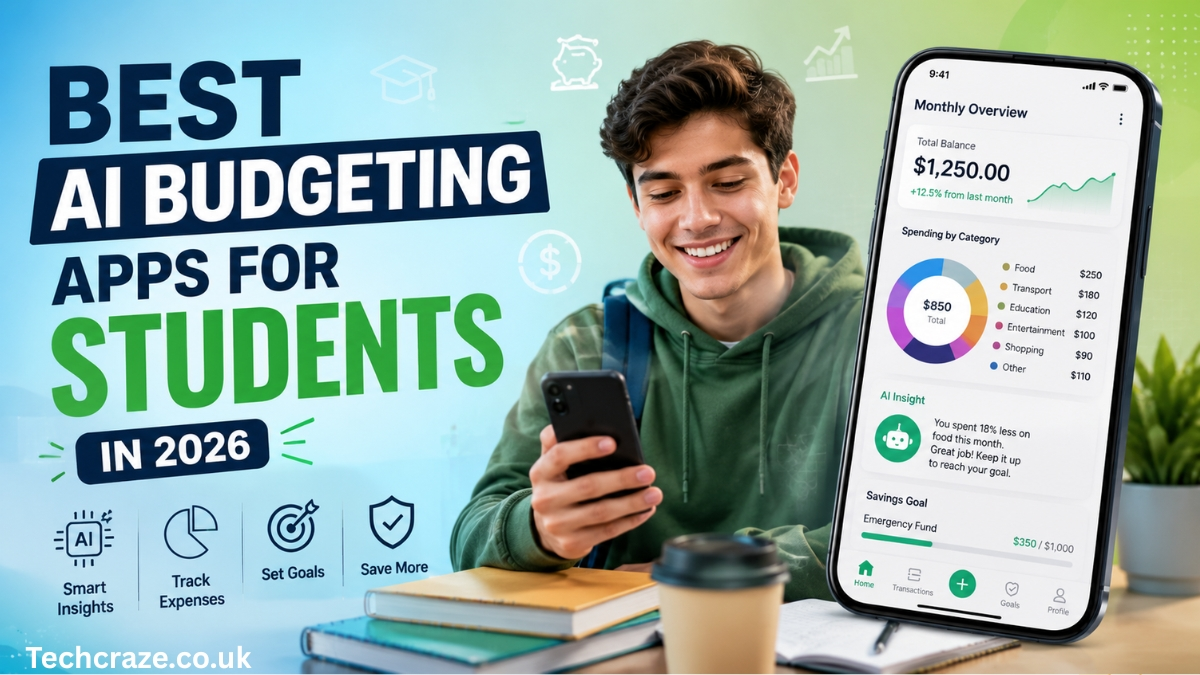
Student life can be exciting, but it also comes with financial challenges. Many students manage limited budgets while balancing tuition fees, books, transportation costs, accommodation expenses, food, entertainment, and daily spending. For some students, it may be the first time they have complete control over their own finances.
Managing money effectively can be difficult, especially when expenses seem small at first. A coffee purchase, a food delivery order, an online subscription, or a few shopping purchases can slowly add up and create financial pressure by the end of the month.
Traditional budgeting methods often require students to manually track spending using notebooks or spreadsheets. While those methods can work, they often become difficult to maintain during busy academic schedules.
Artificial Intelligence is changing the way students manage money. AI budgeting apps provide smart tools that automatically monitor expenses, analyze spending habits, create financial insights, and help students make better financial decisions.
Instead of acting as simple expense trackers, these applications work as personal finance assistants that help students understand where money goes and how to use it more wisely.
If you want to understand the broader role of AI in personal finance, you can also read our complete guide on AI Personal Budgeting Apps.
Why Students Need Budgeting Apps
Students face unique financial challenges compared to working professionals.
Many students deal with:
- Limited monthly income
- Part-time job earnings
- Educational expenses
- Student loans
- Unexpected costs
- Social spending
- Entertainment expenses
Without proper planning, small financial mistakes can quickly create larger problems.
Budgeting apps help students:
- Monitor spending
- Build savings habits
- Avoid overspending
- Reduce financial stress
- Create realistic financial goals
Good financial habits developed during student life can continue providing benefits for many years.
Common Financial Problems Students Face
Irregular Income
Many students work part-time jobs or receive money from parents or scholarships.
This creates income patterns that are often unpredictable.
Some months may provide more money than others.
Budgeting becomes more difficult when income changes regularly.
Impulse Spending
Students frequently spend money without planning.
Examples include:
- Online shopping
- Food delivery apps
- Gaming purchases
- Social events
- Streaming subscriptions
Small expenses may appear harmless but become expensive over time.
Subscription Overload
Students often subscribe to multiple services including:
- Music platforms
- Video streaming services
- Study tools
- Gaming memberships
- Cloud storage services
Many subscriptions continue charging automatically, even when rarely used.
Lack of Financial Experience
Many students are managing their finances independently for the first time.
Without experience, it becomes easy to underestimate spending and make budgeting mistakes.
How AI Budgeting Apps Help Students
Artificial Intelligence provides much more than simple expense tracking.
AI systems study behavior and provide personalized recommendations.
Automatic Expense Tracking
Students no longer need to manually enter every purchase.
AI budgeting apps can connect with:
- Bank accounts
- Debit cards
- Credit cards
- Digital wallets
The app automatically records spending activity.
This saves time and improves accuracy.
Smart Spending Analysis
AI can identify patterns such as:
- Increased weekend spending
- Frequent food delivery purchases
- Entertainment expenses rising monthly
- Unnecessary subscription costs
Students often discover spending habits they did not realize existed.
Personalized Savings Suggestions
Every student has different financial situations.
Artificial intelligence analyzes:
- Income
- Expenses
- Financial behavior
Then it provides customized recommendations.
Examples:
- Save $25 weekly
- Reduce food delivery spending
- Cancel unused subscriptions
Spending Alerts
Many AI budgeting apps send notifications when spending exceeds planned limits.
For example:
“You have used 90% of your entertainment budget this month.”
These alerts help students avoid financial surprises.
Features Students Should Look for in AI Budgeting Apps
Not all budgeting applications provide the same functionality.
Students should focus on features that support simple and effective money management.
Free Plans
Students often work with limited budgets.
Free versions or affordable plans are usually preferred.
Easy User Interface
Complex systems can discourage regular use.
Students should choose apps with:
- Simple dashboards
- Clear reports
- Easy navigation
Goal Tracking
Financial goals help students stay motivated.
Examples include:
- Saving for a laptop
- Building emergency funds
- Paying tuition fees
- Saving for travel
Goal tracking features improve consistency.
Subscription Monitoring
Subscription expenses can quietly consume money.
Apps that identify recurring payments help students stay aware of monthly charges.
Security Protection
Financial information is sensitive.
Students should select apps with:
- Data encryption
- Secure account connections
- Multi-factor authentication
Best AI Budgeting Apps for Students in 2026
Cleo
Cleo combines budgeting with AI chatbot features.
Students can ask questions about spending and receive personalized responses.
Pros:
- Interactive interface
- Spending insights
- Savings tools
- Budget reminders
Cons:
- Some advanced features require payment
PocketGuard
PocketGuard helps users understand how much money remains after expenses and savings goals.
Pros:
- Simple interface
- Spending categorization
- Budget planning
Cons:
- Limited customization
Rocket Money
Rocket Money focuses on tracking spending and managing subscriptions.
Pros:
- Subscription detection
- Expense monitoring
- Budget creation tools
Cons:
- Premium features require upgrades
YNAB (You Need A Budget)
YNAB uses proactive budgeting methods that encourage users to assign every dollar a purpose.
Pros:
- Strong budgeting philosophy
- Financial education resources
- Goal setting
Cons:
- Learning curve for beginners
Monarch Money
Monarch Money combines budgeting and financial planning tools.
Pros:
- Detailed financial insights
- Investment tracking
- Custom planning features
Cons:
- Subscription cost
Free vs Paid AI Budgeting Apps
Students often wonder whether paid budgeting apps are necessary.
Free apps usually provide:
- Expense tracking
- Basic budgeting tools
- Spending categories
Paid versions may include:
- Advanced AI recommendations
- Financial planning
- Investment tracking
- Detailed reports
- Subscription management
For many students, starting with free versions is a practical choice.
Tips for Students to Save More Money
Budgeting apps become more effective when combined with healthy financial habits.
Track Every Expense
Even small purchases matter.
Daily spending patterns often reveal unnecessary costs.
Create Spending Limits
Set limits for:
- Food
- Entertainment
- Shopping
- Transportation
This prevents overspending.
Build an Emergency Fund
Unexpected expenses happen.
Even small weekly savings can create financial security over time.
Review Monthly Reports
AI apps generate useful financial insights.
Students should regularly review spending summaries and recommendations.
Conclusion
Managing money as a student can be difficult, especially when balancing academic responsibilities and personal expenses. Small financial decisions made during student years often create habits that continue into adulthood.
AI budgeting apps provide students with practical tools for tracking spending, improving savings, and making smarter financial decisions.
Rather than waiting until financial problems appear, students can use these tools to build stronger money habits from the beginning.
Developing financial awareness during student life can create long-term benefits and reduce financial stress in the future.
Frequently Asked Questions
Are AI budgeting apps safe for students?
Most reputable apps use encryption and security protections. Students should always review privacy policies before connecting financial accounts.
Are budgeting apps free?
Many budgeting apps offer free versions, although advanced features may require subscriptions.
Can students save money using budgeting apps?
Yes. Budgeting apps help students understand spending habits and identify unnecessary expenses.
Do students need AI budgeting tools?
Students can manage finances without AI tools, but automation and financial insights can make the process easier.
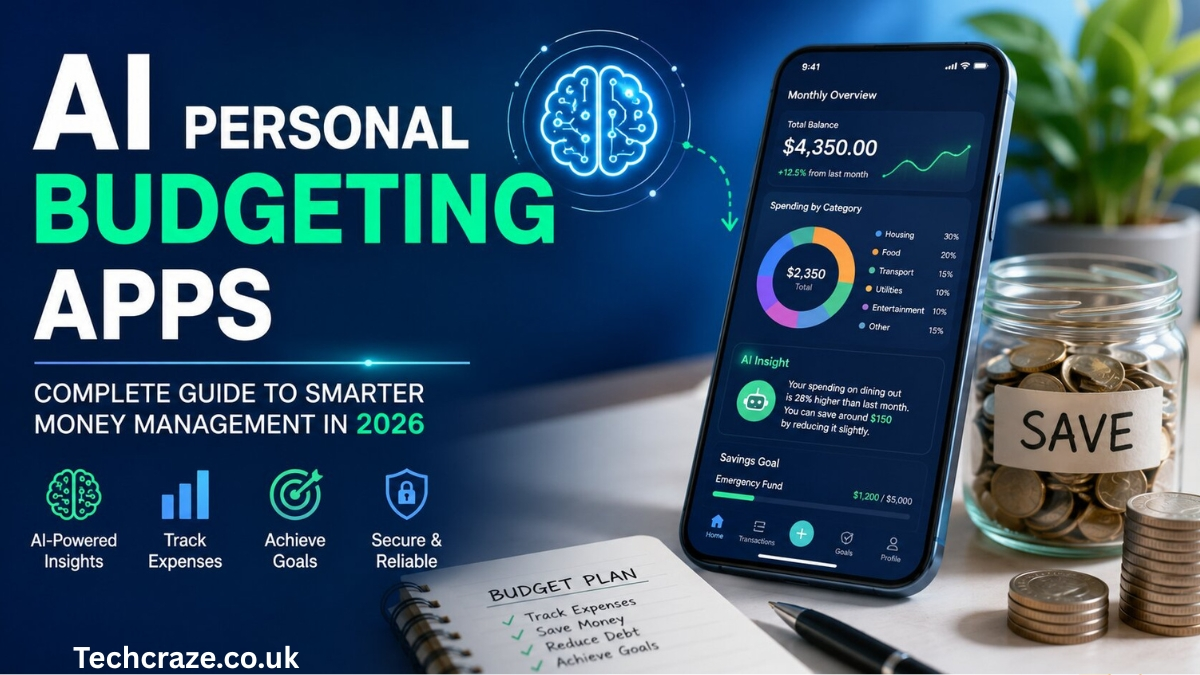
Managing money has never been simple, but modern lifestyles have made it even more complicated. People today use online banking, digital wallets, credit cards, subscriptions, mobile payment systems, and shopping applications almost every day. While technology has made payments faster and more convenient, it has also created a new challenge: keeping track of spending.
Many people start each month with a financial plan and end the month wondering where their money went. Small expenses such as coffee purchases, streaming subscriptions, food delivery services, and online shopping may seem harmless individually, but together they can significantly affect monthly budgets.
Traditional budgeting methods often involve spreadsheets, notebooks, or manual calculations. While these methods still work for some people, they require time, consistency, and discipline. Many users eventually stop tracking expenses because the process feels repetitive and difficult to maintain.
Artificial Intelligence is changing this experience completely. AI personal budgeting apps have become powerful tools that help users manage finances more effectively by analyzing spending behavior, identifying patterns, providing recommendations, and helping users make smarter financial decisions.
Rather than acting as simple expense trackers, these applications function as personal financial assistants that continuously learn and adapt to user behavior.
In this guide, we will explore what AI budgeting apps are, how they work, their benefits, challenges, important features, and why they may become a major part of personal finance management in the future.
What Are AI Personal Budgeting Apps?
AI personal budgeting apps are financial management applications that use artificial intelligence and machine learning technology to monitor, organize, and improve the way people manage money.
Traditional budgeting applications usually focus on recording expenses and displaying spending reports. AI-powered budgeting apps go further by studying user behavior and providing intelligent recommendations.
Instead of simply showing financial information, these apps can answer questions such as:
- Why am I spending more money this month?
- Which subscriptions am I not using?
- How much should I save each month?
- What spending habits are hurting my finances?
- How can I reduce unnecessary expenses?
AI systems analyze large amounts of financial information and transform it into useful advice that users can apply in real life.
This turns financial data into practical actions.
Students can also explore our guide on Best AI Budgeting Apps for Students in 2026.
Why Traditional Budgeting Methods Often Fail
Many people attempt to create budgets using traditional systems but struggle to follow them long-term.
Several common issues make traditional budgeting difficult.
Manual Work Requires Time
One of the biggest challenges is entering information manually.
Users often need to:
- Record purchases
- Organize categories
- Calculate totals
- Update spreadsheets
This process becomes repetitive and time-consuming.
People with busy schedules frequently forget to update financial records, causing incomplete information.
Limited Insights
Traditional budgeting methods typically show what already happened rather than predicting future situations.
For example:
A user might discover they overspent after reaching the end of the month.
At that point, the damage has already been done.
AI systems attempt to identify problems before they become serious financial issues.
Generic Financial Advice
Traditional budgeting methods often apply the same rules to everyone.
Examples include:
- Save 20% of income
- Spend less on entertainment
- Reduce shopping expenses
However, financial situations vary greatly.
Students, freelancers, business owners, families, and retirees all have different needs and spending behaviors.
AI creates personalized suggestions instead of relying on generic financial rules.
How AI Personal Budgeting Apps Work
Artificial intelligence budgeting apps operate using several technologies working together.
The process usually includes multiple steps.
Step 1: Connecting Financial Accounts
Most AI budgeting apps allow users to connect:
- Bank accounts
- Credit cards
- Savings accounts
- Investment accounts
- Digital wallets
The application automatically gathers financial information.
Instead of manually entering expenses, users allow the system to collect transaction data directly.
Step 2: Organizing Expenses Automatically
Artificial intelligence identifies and classifies transactions into categories.
Examples include:
Food and Dining
Restaurant bills, grocery shopping, and delivery services.
Transportation
Fuel expenses, ride-sharing services, and public transportation.
Entertainment
Movies, gaming subscriptions, music services, and streaming platforms.
Shopping
Clothing purchases, electronics, and online orders.
Utilities
Internet bills, electricity costs, and mobile payments.
Automatic categorization saves time and reduces errors.
Step 3: Learning User Spending Patterns
Machine learning systems become smarter over time.
The app studies financial behavior and begins identifying patterns such as:
- Increased weekend spending
- Seasonal shopping habits
- Frequent online purchases
- Rising subscription costs
- Changes in monthly expenses
The longer users continue using the app, the more accurate recommendations become.
Step 4: Generating Smart Recommendations
After analyzing financial behavior, the AI system provides personalized advice.
Examples include:
- Reduce dining expenses by 10%
- Increase savings by $50 monthly
- Cancel unused subscriptions
- Set spending alerts for shopping
These recommendations are customized based on user behavior rather than general financial assumptions.
Major Benefits of AI Personal Budgeting Apps
Better Understanding of Spending Habits
Many individuals underestimate how much money they spend.
Small purchases often go unnoticed.
AI budgeting tools provide detailed reports and visual summaries that reveal spending habits clearly.
Users can see:
- Total monthly spending
- Highest expense categories
- Recurring payments
- Areas of unnecessary spending
This visibility creates stronger financial awareness.
Improved Savings Habits
Saving money can be difficult without a clear strategy.
Some users set unrealistic goals and eventually stop following them.
AI systems can analyze:
- Income
- Monthly expenses
- Financial obligations
Based on this information, realistic savings goals can be created.
For example:
If a user regularly saves $100 each month, the app may suggest increasing savings gradually instead of suddenly recommending impossible targets.
Reduced Financial Stress
Financial uncertainty creates stress for many people.
Questions like these often create anxiety:
- Can I afford this purchase?
- Will I have enough money at the end of the month?
- Am I spending too much?
AI budgeting apps reduce uncertainty by providing continuous updates and insights.
Users gain a clearer understanding of their financial situation.
Time Efficiency
Traditional budgeting methods require ongoing effort.
Artificial intelligence automates many tasks including:
- Recording expenses
- Organizing categories
- Tracking bills
- Generating reports
Users save significant amounts of time.
Improved Financial Decision Making
AI tools provide information that helps users make better decisions.
For example:
A user considering purchasing a new phone may receive information showing current spending patterns and savings progress.
This information helps determine whether the purchase is financially reasonable.
Important Features to Look for in AI Budgeting Apps
Not all budgeting apps provide the same functionality.
When selecting an AI budgeting application, users should evaluate important features carefully.
Expense Tracking
The app should automatically monitor spending activity without requiring manual updates.
Spending Alerts
Users should receive notifications when spending exceeds budget limits.
These alerts help prevent overspending.
Bill Reminders
Missing payment deadlines can result in additional fees.
Automatic reminders improve financial organization.
Financial Goal Tracking
Good budgeting applications allow users to create goals such as:
- Saving for travel
- Building emergency funds
- Paying debt
- Purchasing a home
Progress tracking helps maintain motivation.
Security Features
Financial information is highly sensitive.
Users should prioritize applications that provide:
- Data encryption
- Multi-factor authentication
- Secure banking connections
- Privacy controls
Security should never be ignored.
Popular AI Budgeting Apps in 2026
Several applications currently use artificial intelligence to improve financial management.
Rocket Money
Rocket Money helps users track expenses, monitor subscriptions, and manage budgets.
Cleo
Cleo uses artificial intelligence to provide financial insights through a chatbot-style interface.
YNAB (You Need A Budget)
YNAB focuses on proactive budgeting strategies and spending awareness.
Monarch Money
Monarch Money combines budgeting features with financial planning tools.
PocketGuard
PocketGuard helps users identify available spending money after accounting for bills and savings goals.
Challenges and Limitations of AI Budgeting Apps
Although AI budgeting tools provide many advantages, they also have limitations.
Privacy Concerns
Many applications require access to banking information.
Some users feel uncomfortable sharing financial data with third-party services.
Before connecting accounts, users should review privacy policies carefully.
Subscription Costs
Many advanced AI budgeting features require paid subscriptions.
Free versions sometimes offer limited functionality.
Users should compare costs and benefits.
Prediction Limitations
Artificial intelligence learns from historical data.
Unexpected events can reduce prediction accuracy.
Examples include:
- Job loss
- Medical emergencies
- Economic changes
- Sudden lifestyle shifts
Human judgment still remains important.
Future of AI Personal Budgeting Apps
Artificial intelligence continues evolving rapidly.
Future budgeting systems may include advanced capabilities such as:
Voice Financial Assistants
Users may eventually ask:
“How much can I spend this weekend?”
The system could instantly analyze finances and provide recommendations.
Real-Time Financial Advice
Instead of receiving suggestions after spending occurs, users may receive immediate guidance before making purchases.
Advanced Fraud Detection
AI systems may identify suspicious activity faster and provide instant alerts.
Personalized Wealth Building
Future applications could provide customized investment strategies and long-term financial planning.
Conclusion
Artificial intelligence is changing personal finance management in ways that were difficult to imagine a few years ago.
AI personal budgeting apps do much more than track expenses. They analyze behavior, identify patterns, provide recommendations, encourage savings, and help users make smarter financial choices.
While these applications cannot completely replace human judgment, they can become valuable financial assistants that simplify money management.
As financial technology continues improving, AI budgeting tools are likely to become an essential part of everyday life.
People who understand and adopt these technologies early may gain stronger financial awareness and better control over their future finances.
FAQs
Are AI budgeting apps safe?
Most reputable apps use encryption and security protections, but users should always review privacy policies and security settings.
Are AI budgeting apps free?
Many apps offer free versions, although advanced features often require subscriptions.
Can AI budgeting apps improve savings?
Yes. By identifying spending patterns and unnecessary expenses, these apps often help users save money more effectively.
-

 Guides9 months ago
NippyDrive: Fast & Secure Cloud Storage Platform
-

 Australia2 weeks ago
Hospital Cleaners In Required Australia: Growing Career Opportunities
-
 Crypto1 year ago
Crypto30x.com Gemini: A Deep Dive into the Future of Crypto
-

 Entertainment7 months ago
Mkvmoviespoint: Latest Movies & Web Series Guide
-
 Crypto1 year ago
CrypticStreet.com Guides: Your Ultimate Resource Hub
-
 News1 year ago
Cristian Romero Opens Door to Tottenham Exit as Atletico Madrid Eyes £43 Million Move for Argentina Star
-
 Blog1 year ago
FeedbackMagazines.org/: A Hub for Engaging Content
-
 News1 year ago
Nancy Mace Faces Criticism and Support After Heated Exchange With Trans Activist at South Carolina Event